
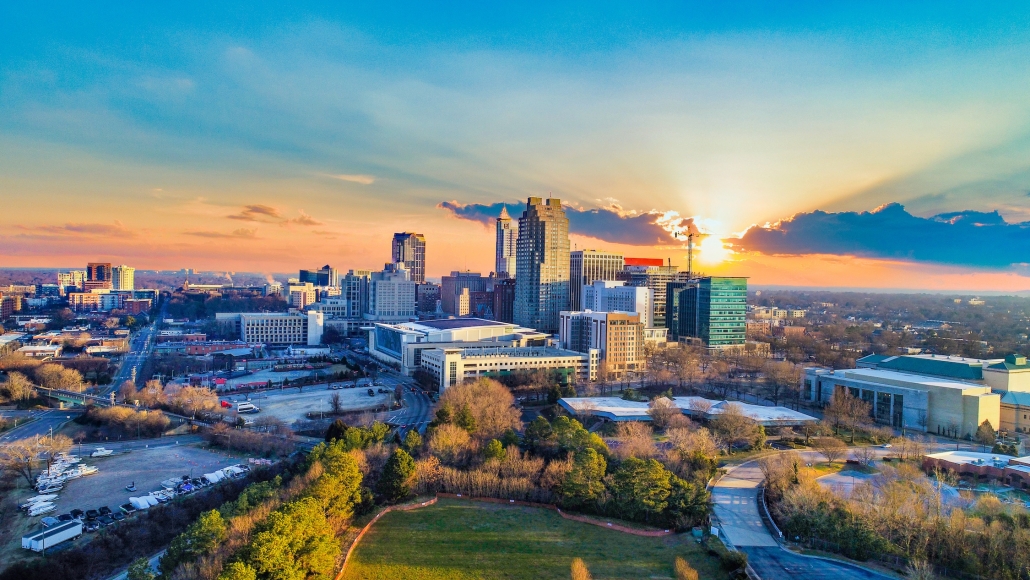
Build on Your Lot in Raleigh: Where to Begin
For many homeowners, the idea starts the same way. You find a piece of land in Raleigh or the surrounding area and begin picturing the home that belongs there. The setting feels right. The privacy is better. The views are better. The opportunity to create something personal is right in front of you.
Building on your own lot can be one of the most rewarding ways to create a custom home. It also comes with questions that deserve careful attention at the beginning. Before floor plans, finishes, and construction schedules, the first step is understanding the land, the process, and the decisions that shape everything that follows.
If you are planning to build on your lot in Raleigh, here is where to begin.
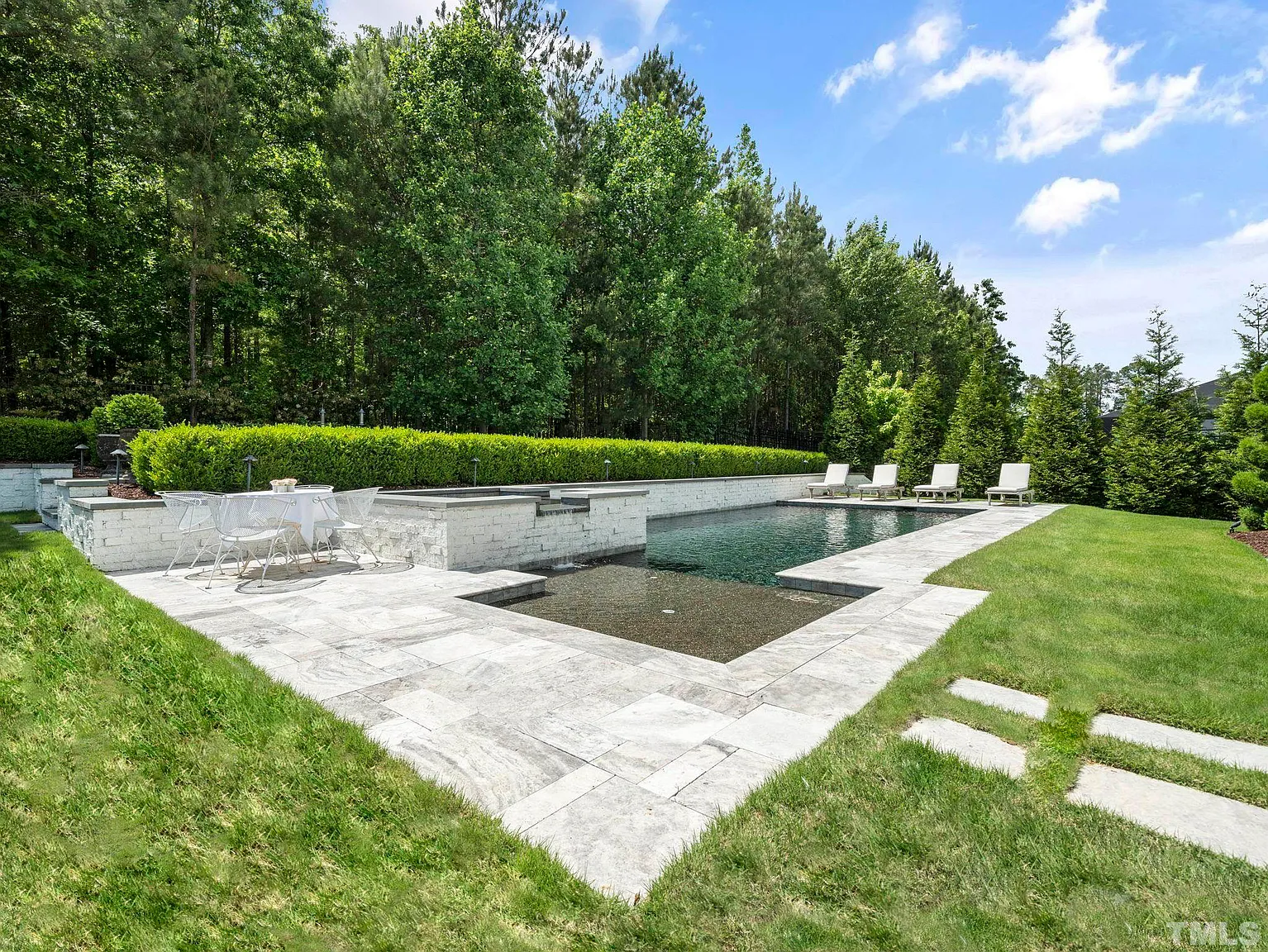
Start with the Land, Not the House
It is natural to begin with the house in mind. Most people picture the kitchen, exterior style, windows, or outdoor living spaces first. In reality, the lot should lead the conversation.
Every homesite has its own conditions. Slope, drainage, tree coverage, road access, utilities, setbacks, soil conditions, and orientation all affect what can be built and how the home should sit on the property. A lot that looks ideal at first glance may require significant site work. Another lot that seems ordinary may offer the perfect foundation for a well-placed custom home.
That is why the earliest stage should focus on the land itself. Before anyone gets too far into design ideas, it helps to understand what the property is telling you.
Understand What the Lot Will Require
A build-on-your-lot project in Raleigh often involves much more than clearing a spot and pouring a foundation. The site may need grading, drainage planning, driveway access, utility coordination, or environmental review, depending on the location.
In some cases, the lot is already prepared for a home. In other cases, hidden costs appear quickly if the property has steep topography, poor soil, limited access, or utility challenges. These details can shift the budget and the timeline early in the process.
A thoughtful builder will help you evaluate questions like these:
- Is the lot in the City of Raleigh or in Wake County jurisdiction
- What setbacks or easements affect the buildable area
- Are water, sewer, gas, and power available at the site
- Will the lot require a septic system or a well
- Is there a slope that changes the foundation strategy
- Will drainage or retaining walls be needed
- Are there tree restrictions or clearing limitations
The goal at this stage is clarity. A strong start comes from knowing what the lot requires before design expectations outpace real conditions.
Be Clear About Your Budget Early
One of the biggest mistakes in a custom home building process is treating the lot and the house as two separate decisions. They are deeply connected.
A beautiful lot can increase site costs. A difficult driveway can affect grading and drainage. Utility extensions can add unexpected expense. These are not side issues. They are part of the true cost of building on your lot.
That is why early budgeting matters. It helps you look at the whole project, not just the house’s square footage. A well-planned budget should account for the home itself, site development, permits, utility connections, landscaping allowances, and contingency for unknowns.
This is also where builder guidance becomes valuable. An experienced custom home builder in Raleigh, NC, can help you view the lot through the right lens and avoid decisions based solely on appearance or price per acre.
Choose the Right Builder Before Final Plans Are Drawn
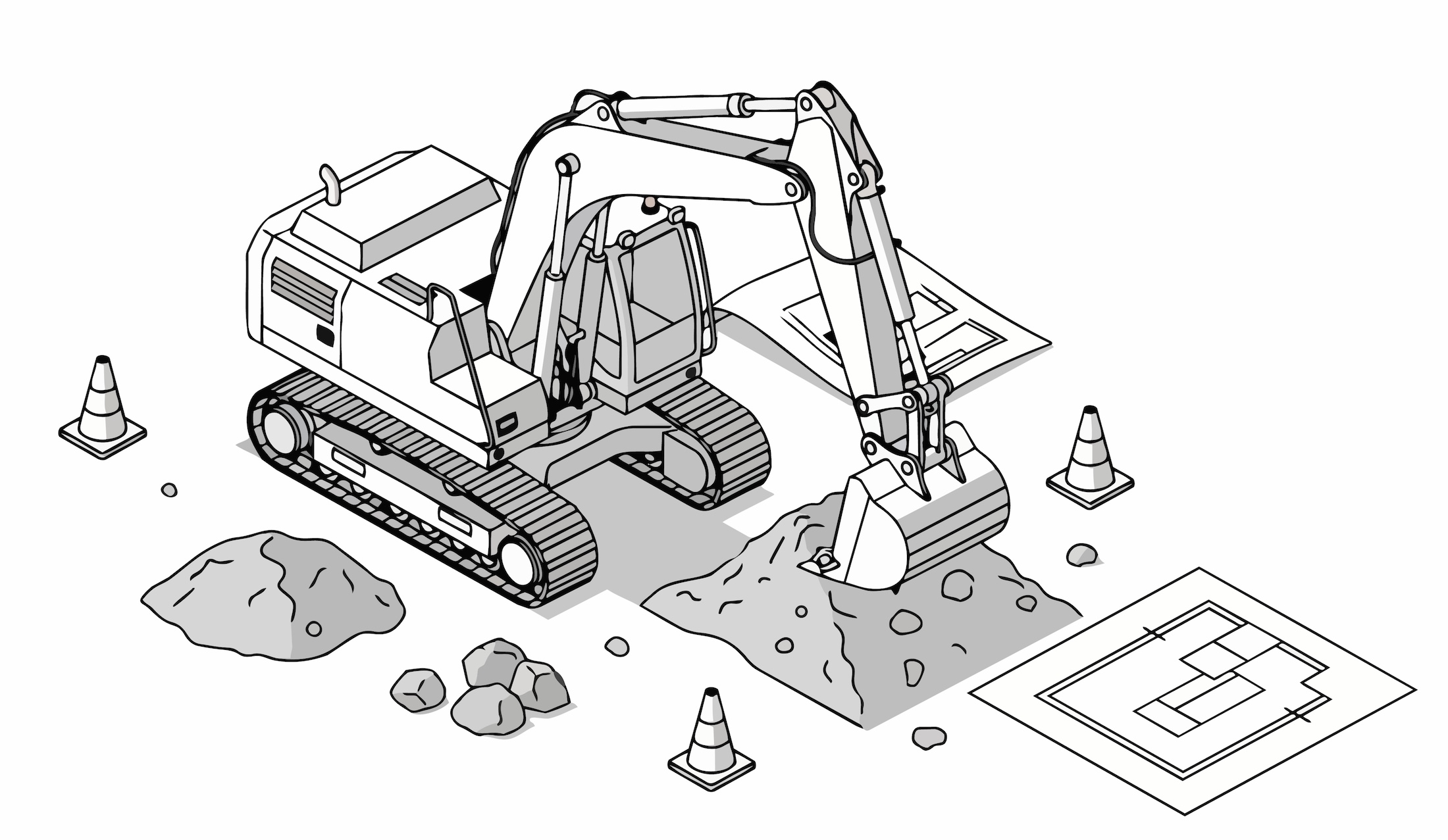
Many homeowners assume they should fully design the home first and bring in the builder later. In a build-on-your-lot project, that approach can create problems.
The better path is to bring the builder into the conversation early. A builder can help assess the property, identify potential site challenges, guide the budget, and work alongside the design team to ensure the home fits the land in a way that is both beautiful and practical.
This early collaboration brings structure to the process. It protects the budget, improves decision-making, and reduces the risk of redesign later.
For a luxury custom home builder Raleigh, NC homeowners can trust, this part of the process matters. A custom home should feel intentional from the first site walk, not reactive after plans are already in motion.
Think About How You Want to Live on the Property
A custom home should respond to the land, but it should also respond to your life.
That means the earliest conversations should move beyond room counts and square footage. Think about how you want the home to feel and function on the site. Where should the morning light enter the kitchen? Do you want the rear porch to capture privacy, sunset views, or both? Should the home sit prominently on the lot or feel tucked quietly into the landscape? How should guests arrive? How should the house connect to outdoor spaces?
These are the questions that begin shaping a better home.
In Raleigh and across the Triangle, homesites vary widely. Some call for a strong architectural presence. Others ask for restraint, balance, and a quieter relationship to the land. The right custom home building process makes room for those decisions early.
Expect Due Diligence Before Momentum
The beginning of a build-on-your-lot project is often less visible than people expect. There may be surveys, soil work, site analysis, engineering input, and utility checks before there is anything dramatic to show. This stage may feel slower, but it is where good projects separate themselves from rushed ones.
That early diligence protects the rest of the process.
It is better to uncover constraints before finalizing plans. It is better to study drainage before construction begins. It is better to understand access, grading, and utility realities before committing to the budget.
Good custom homes are built with momentum, but the right kind of momentum starts with patience.
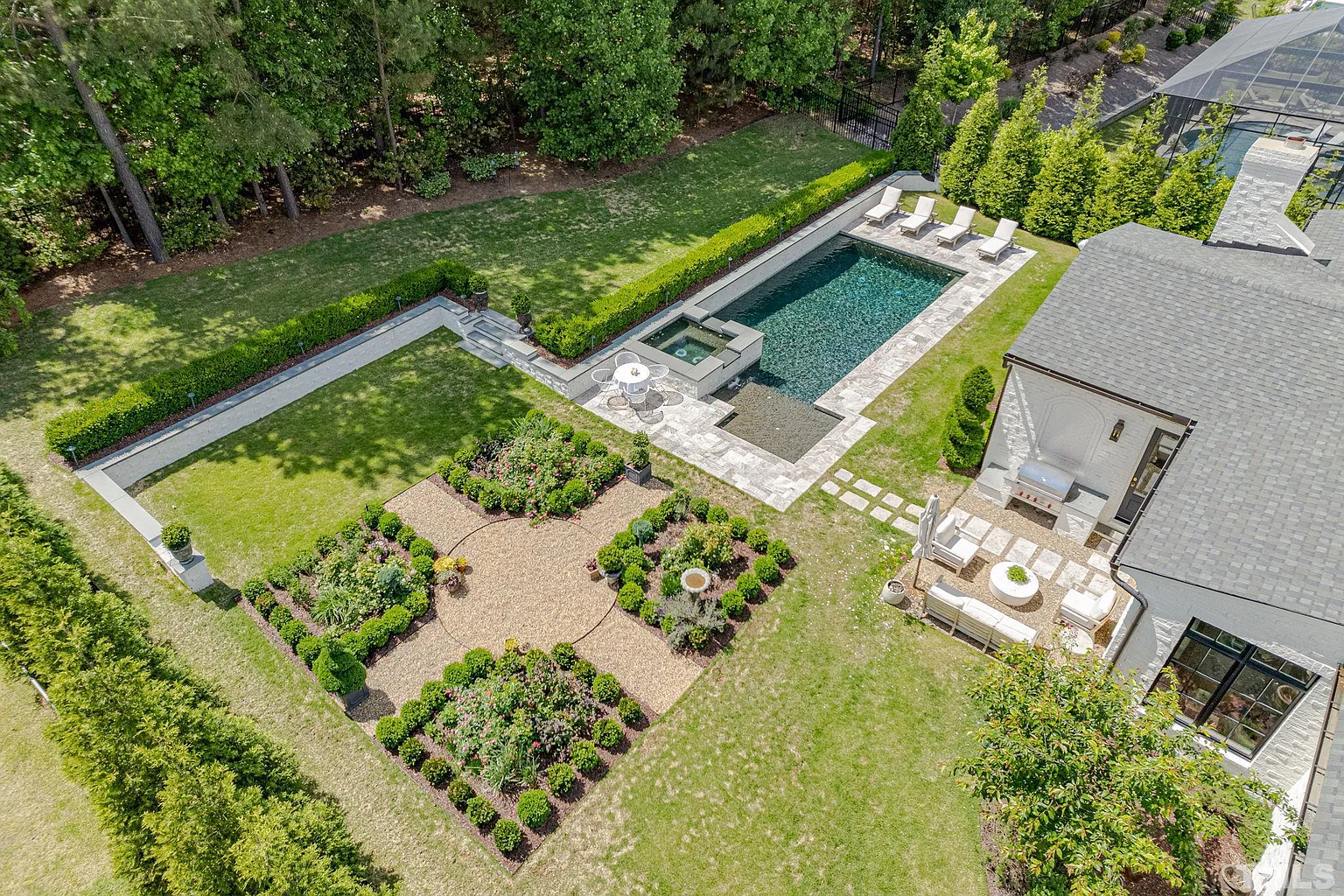
Local Knowledge Matters in Raleigh
Raleigh remains one of the most desirable places to build in North Carolina, but each area has its own development conditions. Neighborhood context, municipal requirements, county regulations, and site-specific issues can all shape the project.
That is why local experience matters. A Raleigh custom home process should reflect how homes are actually built here, from lot evaluation and permitting expectations to the practical realities of building in established neighborhoods, wooded sites, and emerging areas around the Triangle.
A builder with local knowledge can help you move with more confidence because they understand the many questions that need to be answered before construction begins.
The Best First Step Is a Site Conversation
If you already own a lot, the first step is a site conversation with your builder. Walk the property. Review the constraints. Talk through your priorities. Start with the land and let the process build from there.
If you have not purchased a lot yet, that conversation is still worth having. The right builder can often help you evaluate a property before you buy, saving time, money, and frustration later.
That kind of guidance is what makes the project’s beginning feel grounded. It gives you a clearer understanding of what is possible and what it will take to do it well.
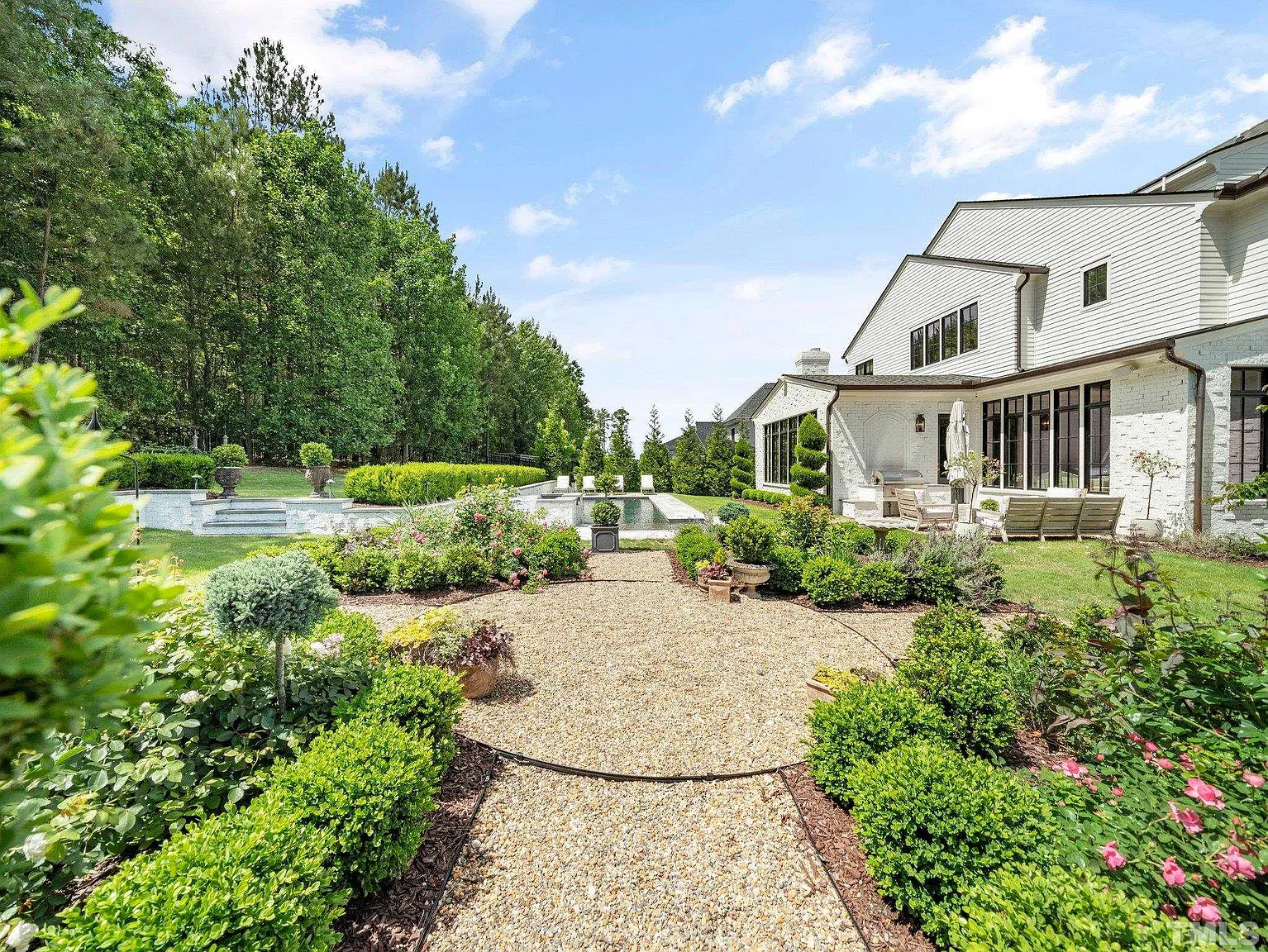
Build on Your Lot with a Stronger Start
Building on your lot in Raleigh is an exciting opportunity to create a home shaped around your land, your priorities, and the way you want to live. The key is beginning with the right questions.
Study the lot carefully. Understand the site costs. Bring your builder into the process early. Let the land guide the design. Give the early phase the time it deserves.
When those pieces are handled well, the rest of the project moves with greater clarity.
At Hurst Home Company, we believe a well-built custom home starts long before construction begins. It starts with thoughtful planning, honest guidance, and a process that respects both the property and the people building on it.
If you are considering a build-on-your-lot home in Raleigh, the best place to begin is with a conversation grounded in the site itself.

