
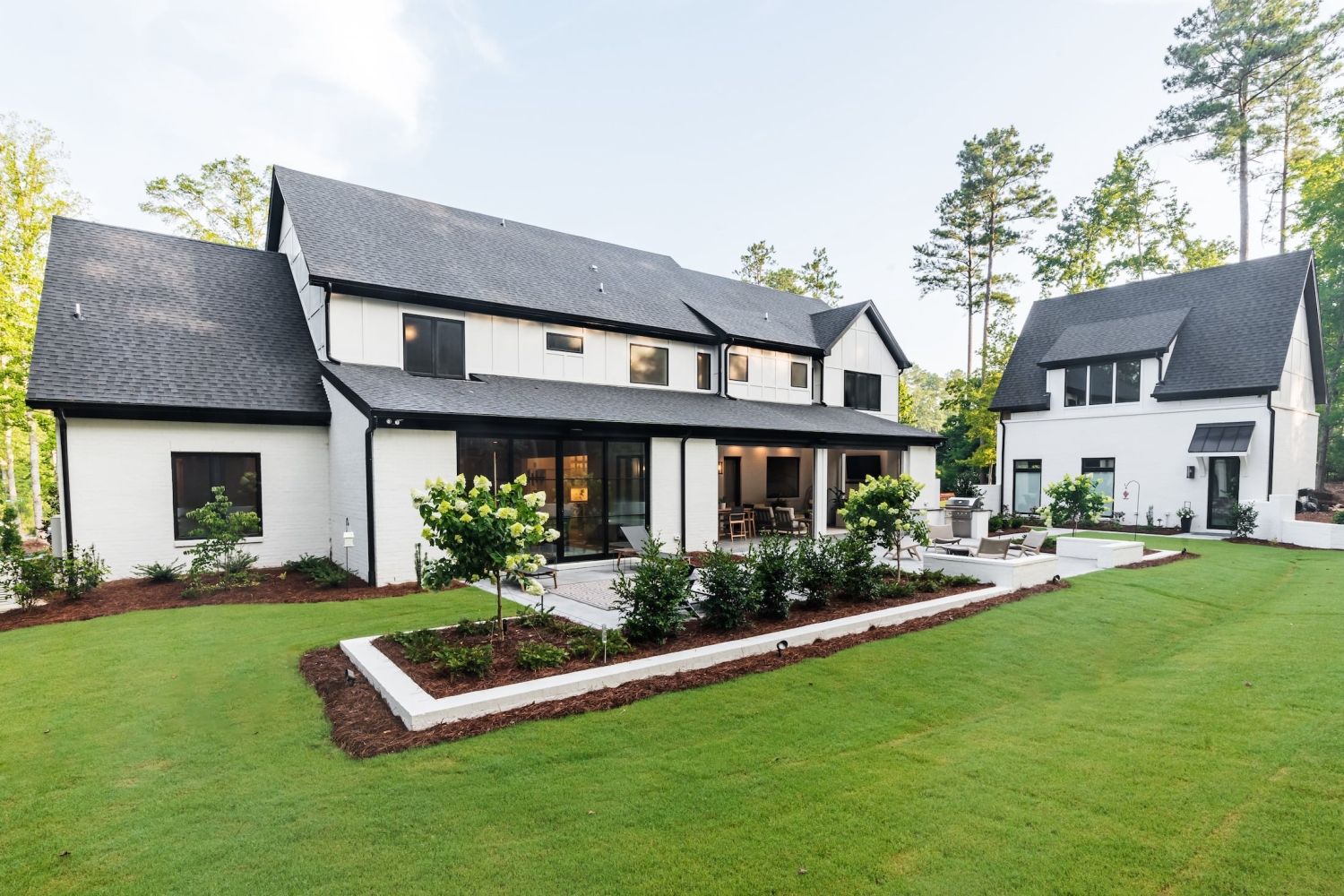
Why Architectural Details Matter in Luxury Custom Home Design Raleigh
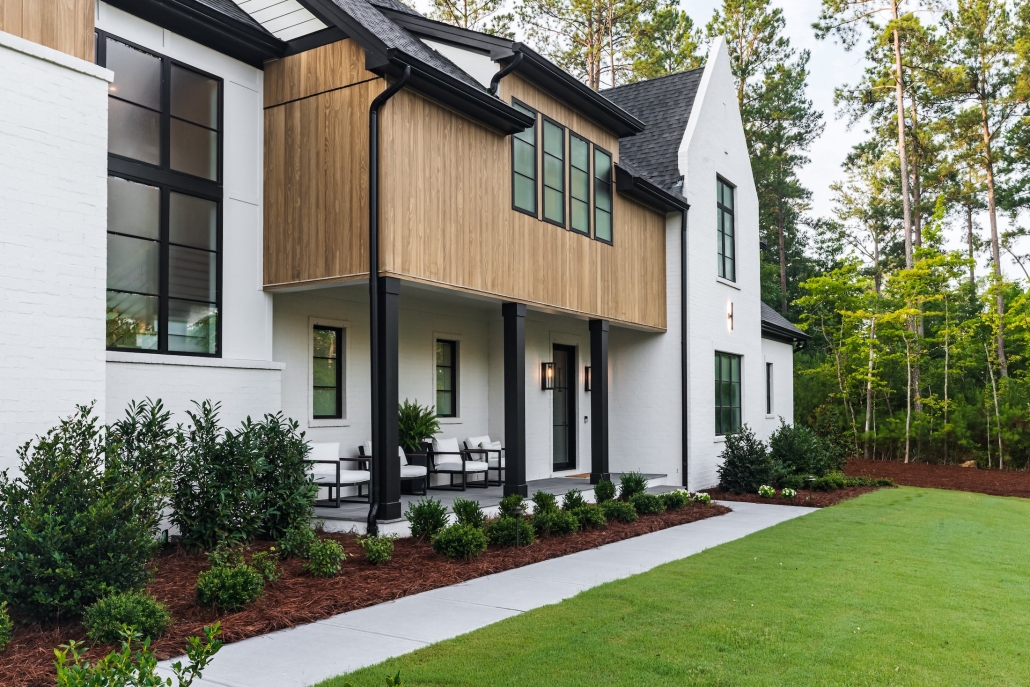
Luxury Custom Home Design and Architectural Details That Quietly Elevate a Home
There is a difference between a beautiful house and a home that feels deeply considered. Sometimes that difference is found in the broad strokes: the floor plan, the setting, the roofline, the materials, and the way the home sits on the land. But often, the most memorable homes are defined by quieter architectural details.
They do not compete for attention. They create balance, rhythm, and refinement in ways that are felt before they are noticed.
In luxury custom home design in Raleigh, these details matter because they shape how a home lives every day. A well-placed window, a carefully scaled opening, a refined ceiling treatment, or a built-in that feels original to the room can give a home a sense of permanence.
These are the decisions that support timeless home design, especially in Raleigh, where clients often want homes that feel gracious, current, and enduring.
The Power of Proportion
Proportion is one of the most important elements in custom home design. It affects everything from the height of a doorway to the width of a hallway, the scale of a fireplace, and the relationship between windows and walls.
When the proportion is right, a room feels calm. Nothing feels too heavy, too thin, too tall, or too forced. This is one of the reasons older homes often feel so appealing. Their details were usually built around human scale, natural symmetry, and intentional craft.
In custom home design in Raleigh, clients often want the ease of modern living without losing the warmth and structure of traditional architecture. Proportion helps bridge that gap. It allows a home to feel fresh without becoming trendy.
Trim That Frames the Architecture
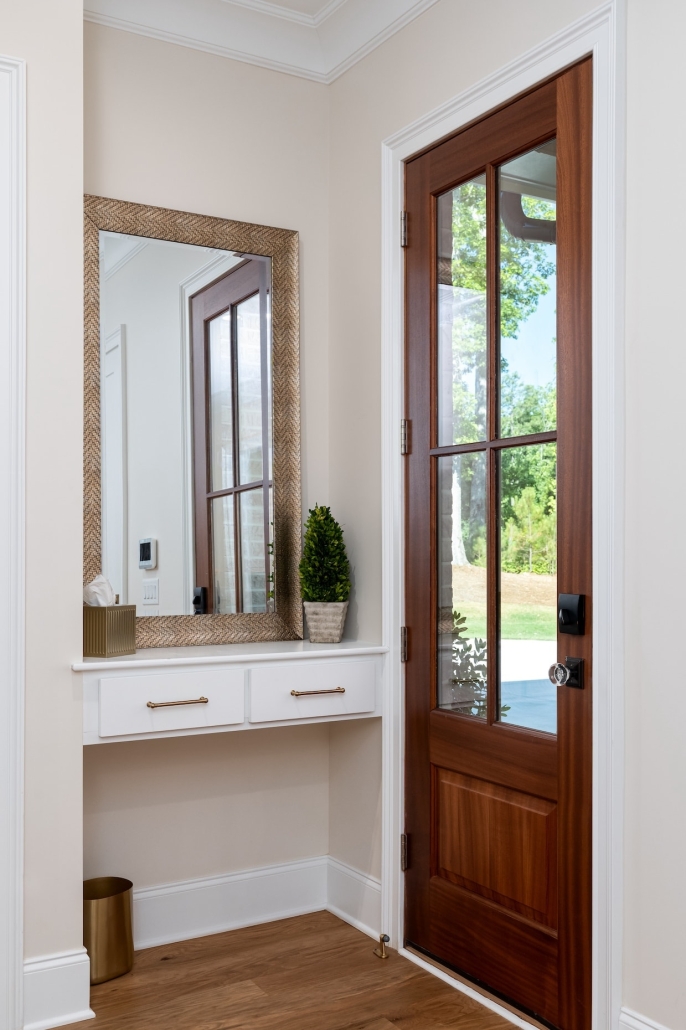
Trim is one of the quietest ways to elevate a home. Window casing, baseboards, crown molding, paneling, beams, and door surrounds all help define a space’s character.
The key is restraint. In a luxury home, trim should feel appropriate to the architecture, not added solely for decoration. A clean casing profile can support a classic modern home design approach, while deeper moldings may suit a home with a stronger traditional influence.
Well-designed trim gives each room structure. It frames views, finishes transitions, and adds depth without needing excessive ornament. When done correctly, it feels like the home could not exist any other way.
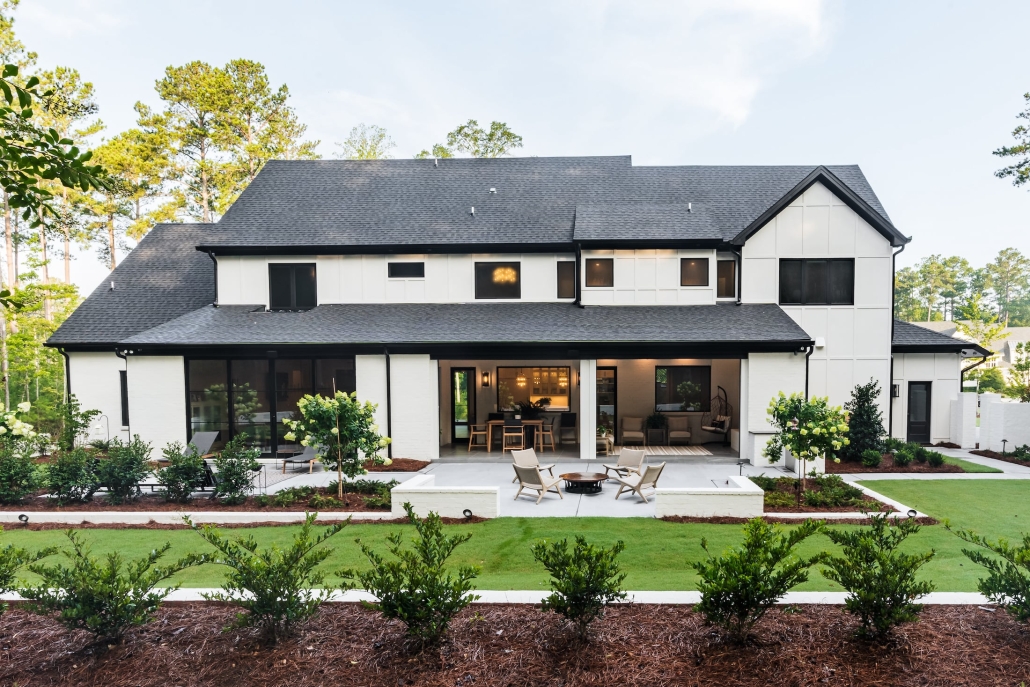
Ceiling Details That Change the Room
Ceilings are often overlooked, yet they have a tremendous impact on how a room feels.
A coffered ceiling can bring formality and order to a living room. A vaulted ceiling can create openness and drama. A tray ceiling can subtly define a primary bedroom. Wood beams can add warmth, especially when they connect to other natural materials throughout the home.
For clients seeking luxury home architecture ideas, ceiling treatments warrant careful consideration. They should support the room’s function and scale. The goal is not to make every ceiling special. The goal is to know which rooms deserve architectural emphasis.
That kind of discipline is what gives a home confidence.
Built-Ins That Feel Integrated
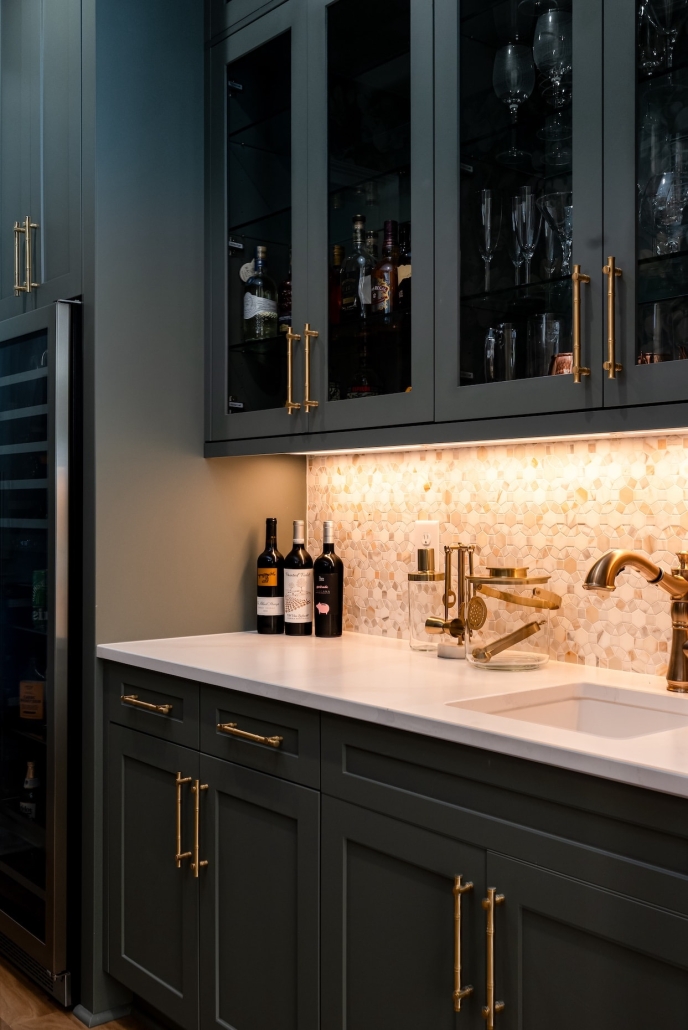
Built-ins are one of the best ways to make a home feel custom. Bookcases, window seats, mudroom storage, bar cabinetry, pantry shelving, and fireplace surrounds can all become part of the architecture rather than separate furniture pieces.
The strongest built-ins are designed with the same attention as the rest of the home. They align with openings, respect ceiling heights, and use materials that connect to the larger design language.
In luxury custom home design, built-ins should serve both beauty and function. A library wall should hold books and objects naturally. A mudroom should manage daily life with elegance. A living room fireplace wall should anchor the space without overwhelming it.
These details are practical, but they also tell the eye that the home was designed with care.
Windows, Light, and Sightlines
Natural light is one of the defining elements of timeless home design. It changes how materials read, how rooms feel, and how people move through a home.
Window placement should be intentional. A window at the end of a hallway can create a visual destination. A pair of windows flanking a fireplace can bring symmetry and softness. Taller windows can make a room feel gracious without adding unnecessary decoration.
Sightlines matter just as much. From the front entry, what do you see? From the kitchen, where does the eye land? From the living room, how does the home connect to the porch, garden, or view?
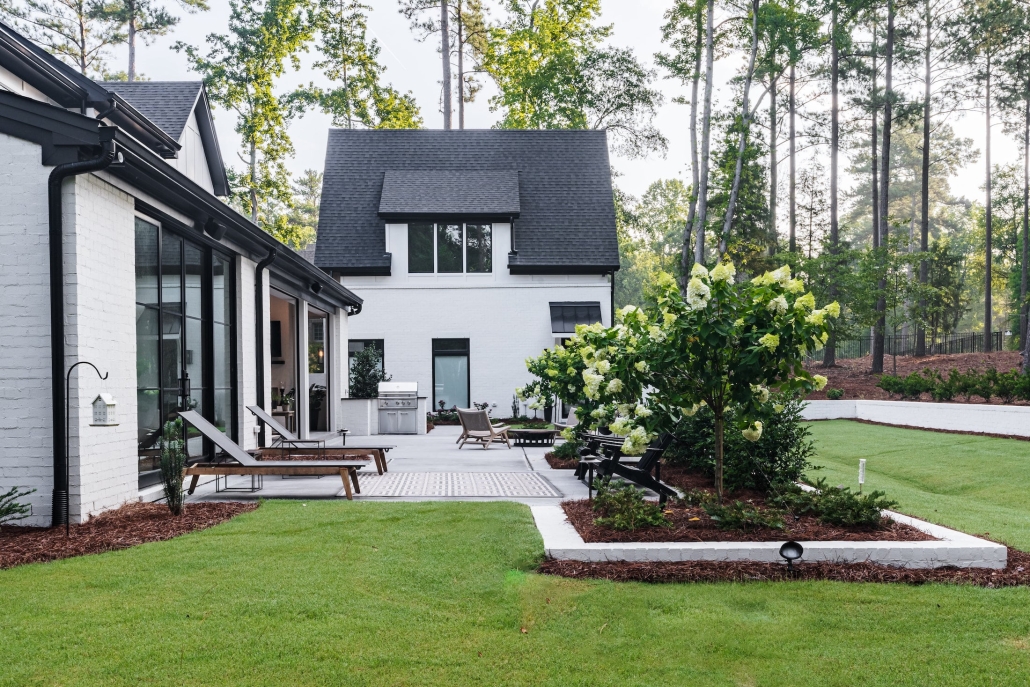
In Raleigh, where many custom homes are designed around wooded lots, estate settings, or established neighborhoods, light and view become part of the architecture itself.
Material Transitions That Feel Natural
A home can have beautiful materials and still feel unsettled if the transitions are wrong.
Flooring changes, wall finishes, stone details, tile edges, stair parts, and cabinetry connections all need careful planning. The best homes avoid abrupt shifts. Materials should serve a purpose, and each transition should feel resolved.
This is especially important in classic modern home design, where cleaner lines leave less room for distraction. Every reveal, edge, and joint becomes visible. Precision matters.
A marble fireplace surround, a plaster wall, a wide-plank floor, or a hand-finished beam can all elevate a space. But the way those materials come together is what separates good design from truly refined design.
The Entry Sets the Tone
The entry of a home establishes the first impression. It does not necessarily need to be grand, but it does need to feel composed.
A thoughtful entry may include a strong front door, balanced sidelights, a well-scaled stair, a ceiling detail, or a direct view into the heart of the home. It should feel welcoming, not staged.
In a custom home, the entry is also a chance to establish the architectural language. The proportions, finishes, lighting, and trim details introduced here can quietly carry throughout the rest of the home.
When the entry feels right, the home begins with clarity.
Staircases as Architectural Anchors
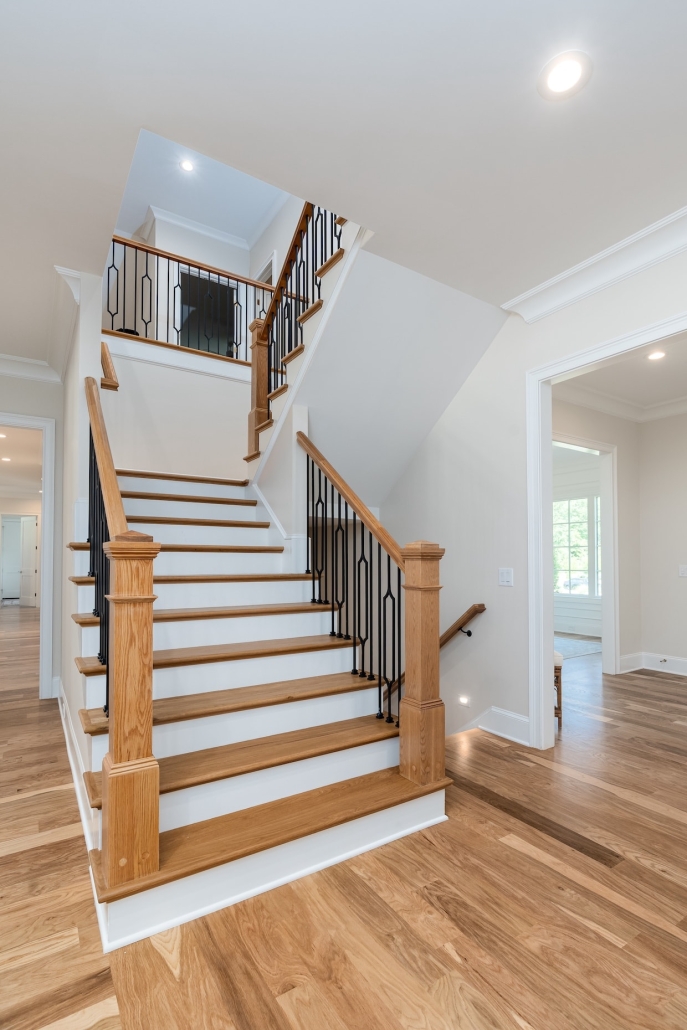
A staircase can be one of the most expressive features in a home. It connects levels, but it also shapes movement, light, and visual rhythm.
The railing profile, newel posts, tread material, wall treatment, and placement all influence how the staircase contributes to the home. A stair tucked into the right location can feel elegant and efficient. A stair placed in a central position can become a defining architectural moment.
For homeowners gathering luxury home architecture ideas, the staircase deserves early attention. It should be designed as part of the home’s composition, not solved after the floor plan is set.
Restraint Is What Makes Details Last
The most timeless homes rarely rely on one dramatic feature. They are built from layers of good decisions.
A graceful doorway. A well-proportioned room. A window placed exactly where it should be. A ceiling detail is used only where it belongs. A fireplace that anchors the space. Cabinetry that feels built into the bones of the home.
That restraint is what gives timeless home design its staying power.
Trends often announce themselves loudly. Good architecture tends to settle in. It becomes part of daily life. It looks beautiful in photographs, but it also feels right on an ordinary morning, in the middle of a family gathering, or at the end of a long day.
Designing a Home With Quiet Confidence
At Hurst Home Company, architectural details are part of the larger conversation around how a home should live, feel, and endure. For clients considering custom home design in Raleigh, the best results come from early planning, clear priorities, and a shared understanding of the home’s character.
A luxury home does not need to feel overly formal or overly designed. It should feel intentional. It should carry a sense of quality in the way rooms connect, materials meet, and details resolve.
That is where quiet elevation happens.
Not through excess.
Through proportion, craft, restraint, and the kind of architectural thinking that gives a home a lasting presence.

