
Custom Home Design That Reflects How You Really Live
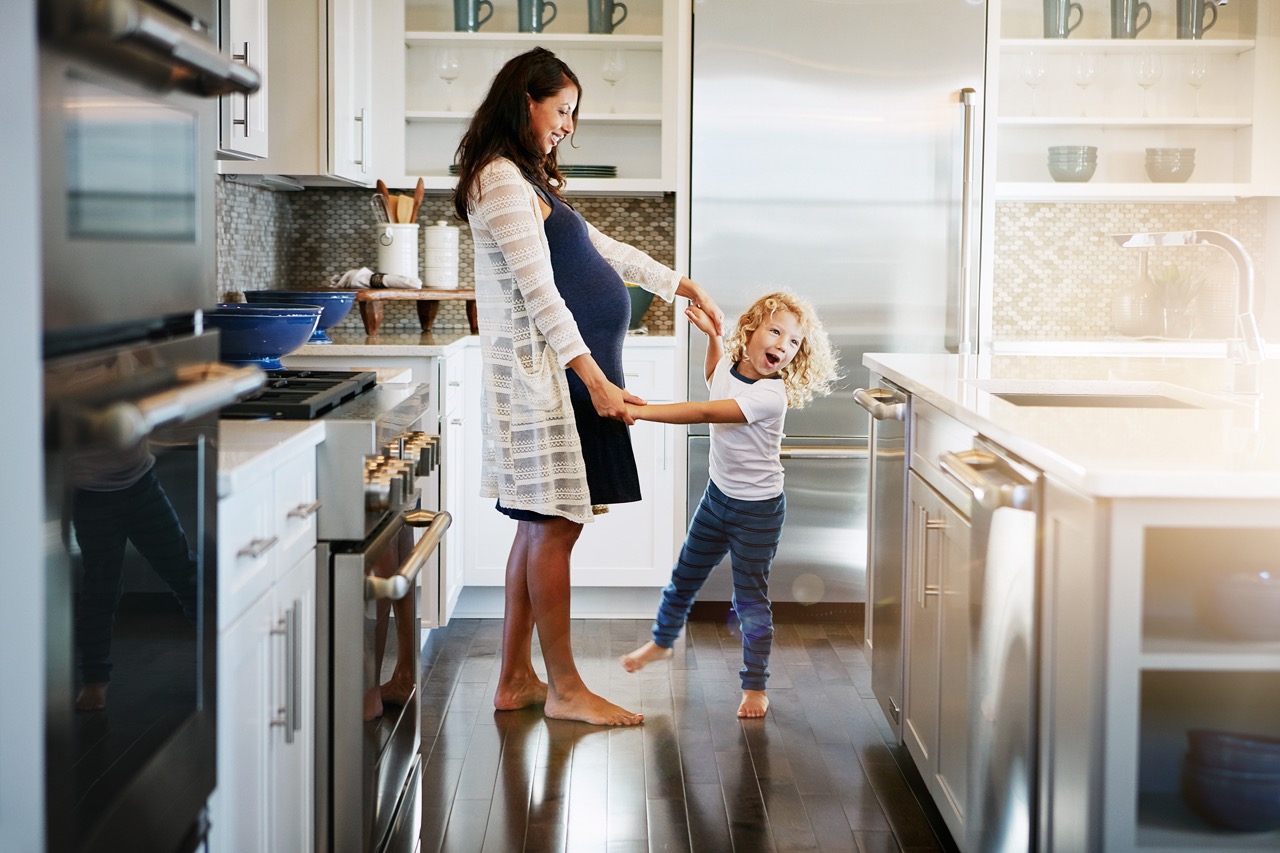
A custom home design should tell you something about the people who live there. Not because every room needs to make a statement, and certainly not because a house should become a collection of trends or personal novelties. The best homes reveal their owners more quietly. You see it in the way spaces connect, where the morning light falls, how guests move through the house, which rooms are meant to gather people together and which ones provide a little distance from everything else.
Key Takeaways for Custom Home Design:
-
Personalized Floor Plans: Tailored circulation paths and multi-functional zones beat standard square footage.
-
Functional Drop Zones: Storage for everyday routines keeps high-traffic areas clutter-free.
-
Lifestyle Kitchens: Layouts optimized for your specific cooking, prep, and entertaining habits.
-
Seamless Outdoor Living: Indoor-outdoor spaces built specifically for the Raleigh climate.
After enough time building custom homes, you begin to recognize that the most important decisions are rarely about square footage alone. They are about people. At Hurst Home Company, that is one of the things we value most about custom homebuilding. No two families use a home the same way, which means no two homes should be approached the same way.
How Custom Home Floor Plans Shape Daily Routines
Before cabinetry, lighting, stone, flooring, or furniture enter the conversation, the floor plan begins to reveal priorities. One homeowner may want the kitchen completely connected to the living area because that is where everyone ends up at the end of the day. Another may love entertaining but prefer some separation between food preparation and guests, making a scullery, working pantry, or secondary prep area far more important than an oversized show kitchen. Some homeowners want a formal dining room because family dinners and holidays matter to them. Othe
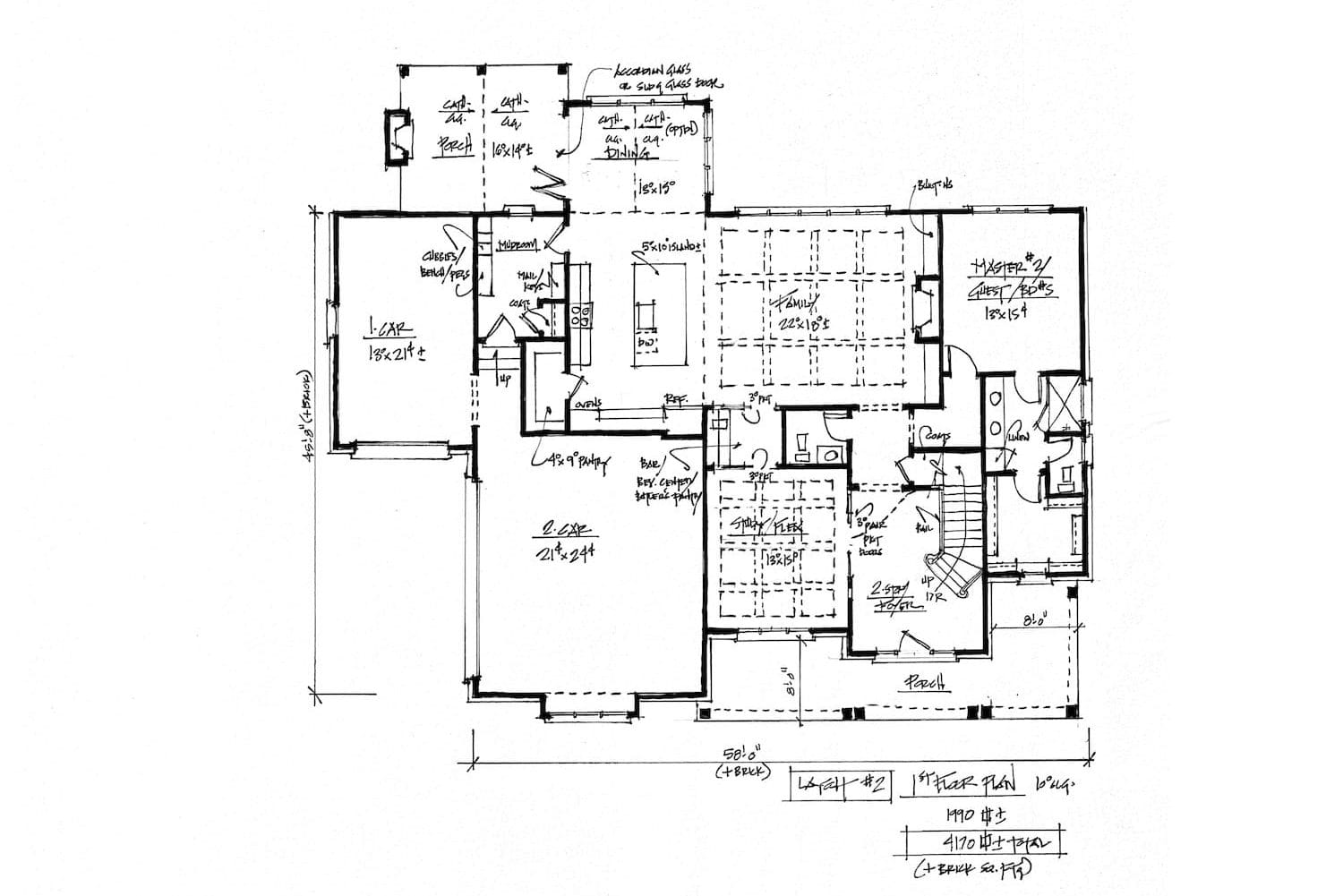
rs know it would sit unused most of the year and would rather give those square feet to a larger breakfast area, library, office, or covered outdoor room.
Neither approach is more luxurious than the other. The luxury is having a home designed around the way you actually live.
A Well-Designed Custom Home Notices the Small Routines
Some of the best design decisions begin with remarkably ordinary questions.
Where do you put your keys when you come home?
Does the dog come in through the garage after a rainy afternoon?
Where do backpacks, coats, shoes, packages, groceries, and sports equipment actually land?
Do you drink coffee in the kitchen every morning, or would you use a small beverage station near the primary suite?
Do overnight guests visit often enough that their privacy matters?
These details may not appear in architectural photography, but they have an enormous effect on how a home feels six months or six years after move-in.
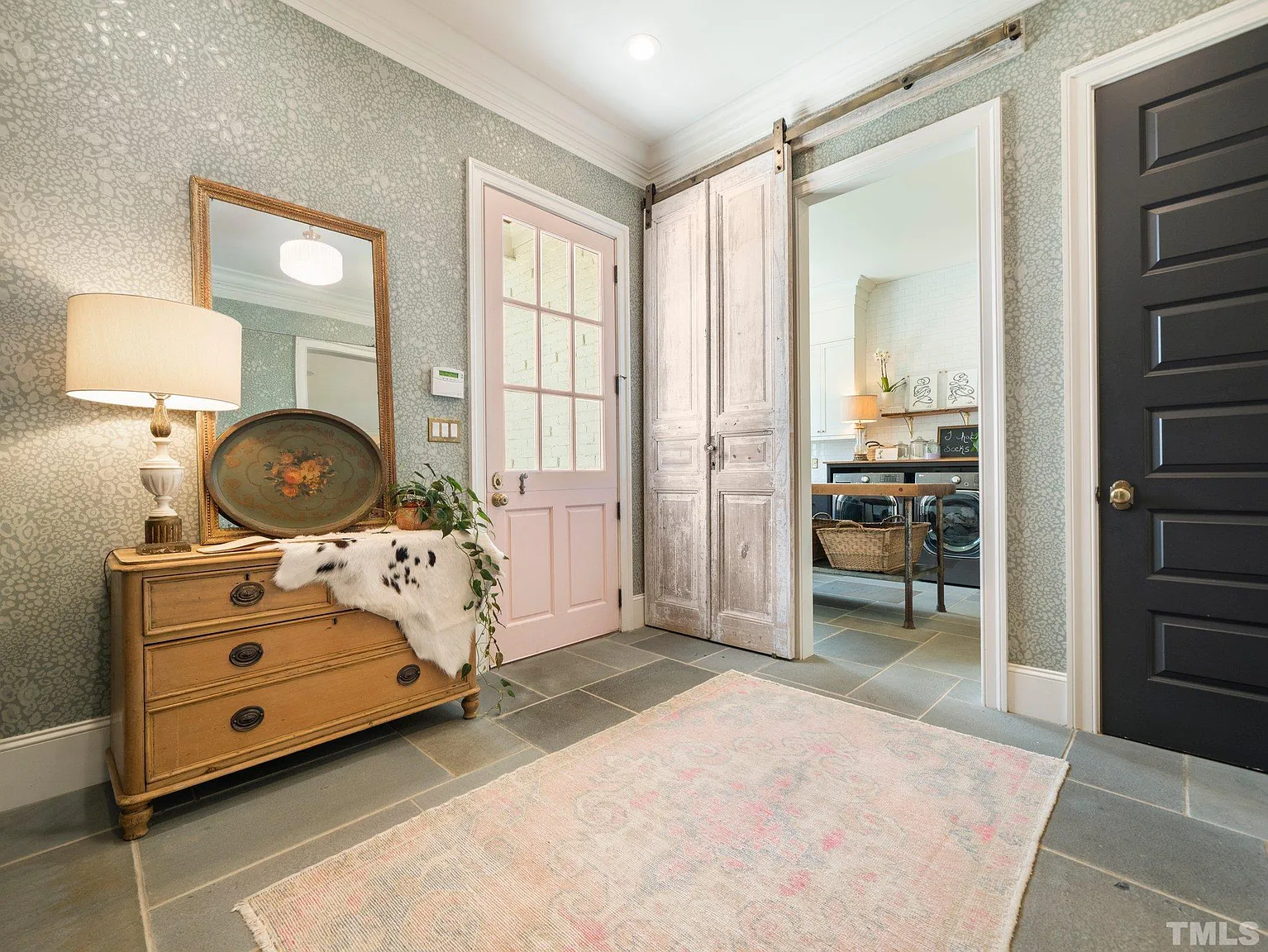
A thoughtfully placed drop zone can matter more to daily life than another decorative feature. A mudroom with durable flooring, proper storage, and a convenient path from the garage can help the rest of the house function better. A pantry designed around the way a homeowner shops and cooks becomes something they appreciate every day. That is where thoughtful custom home design separates itself from simply making a house larger.
Designing Luxury Kitchens Around Your Lifestyle
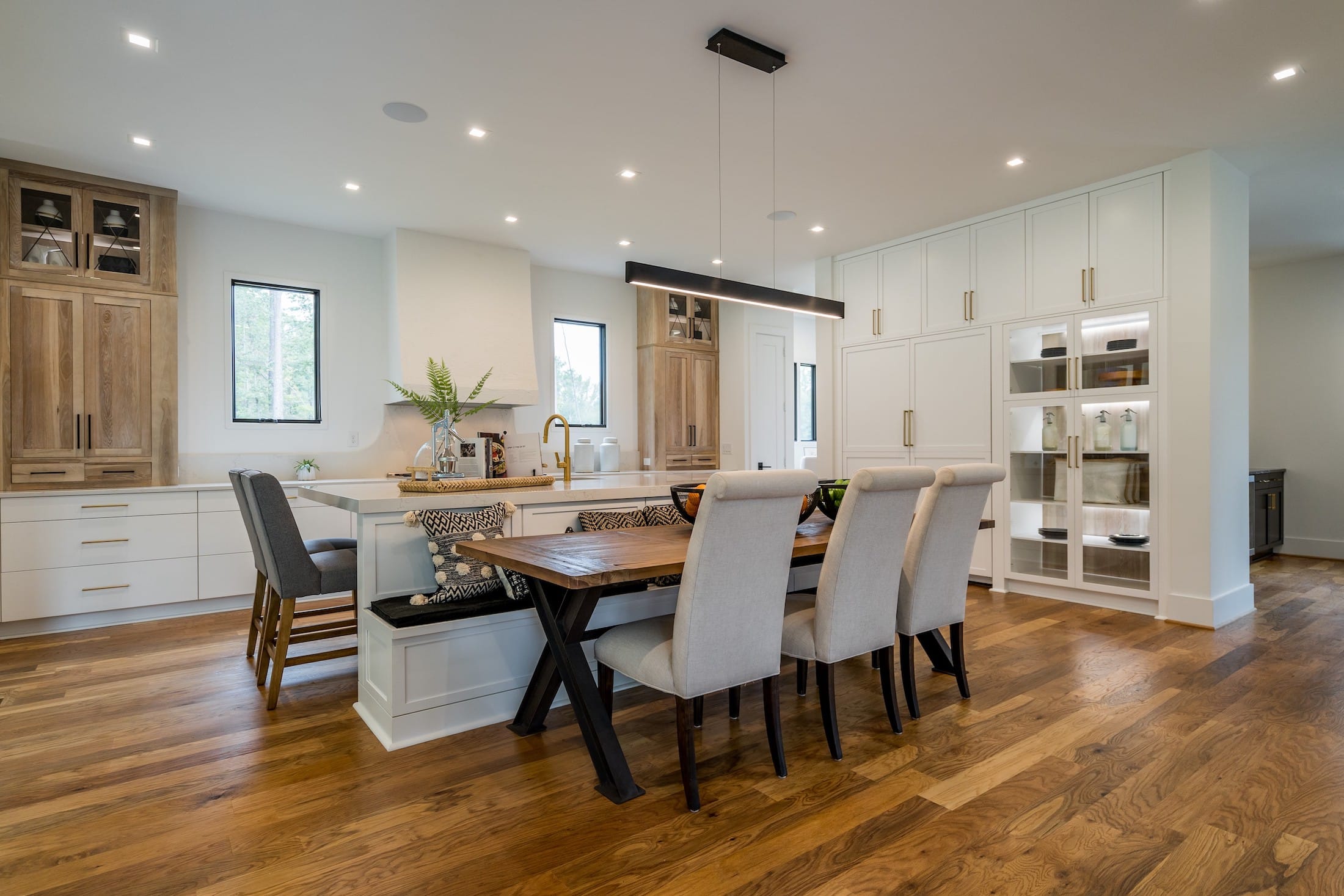
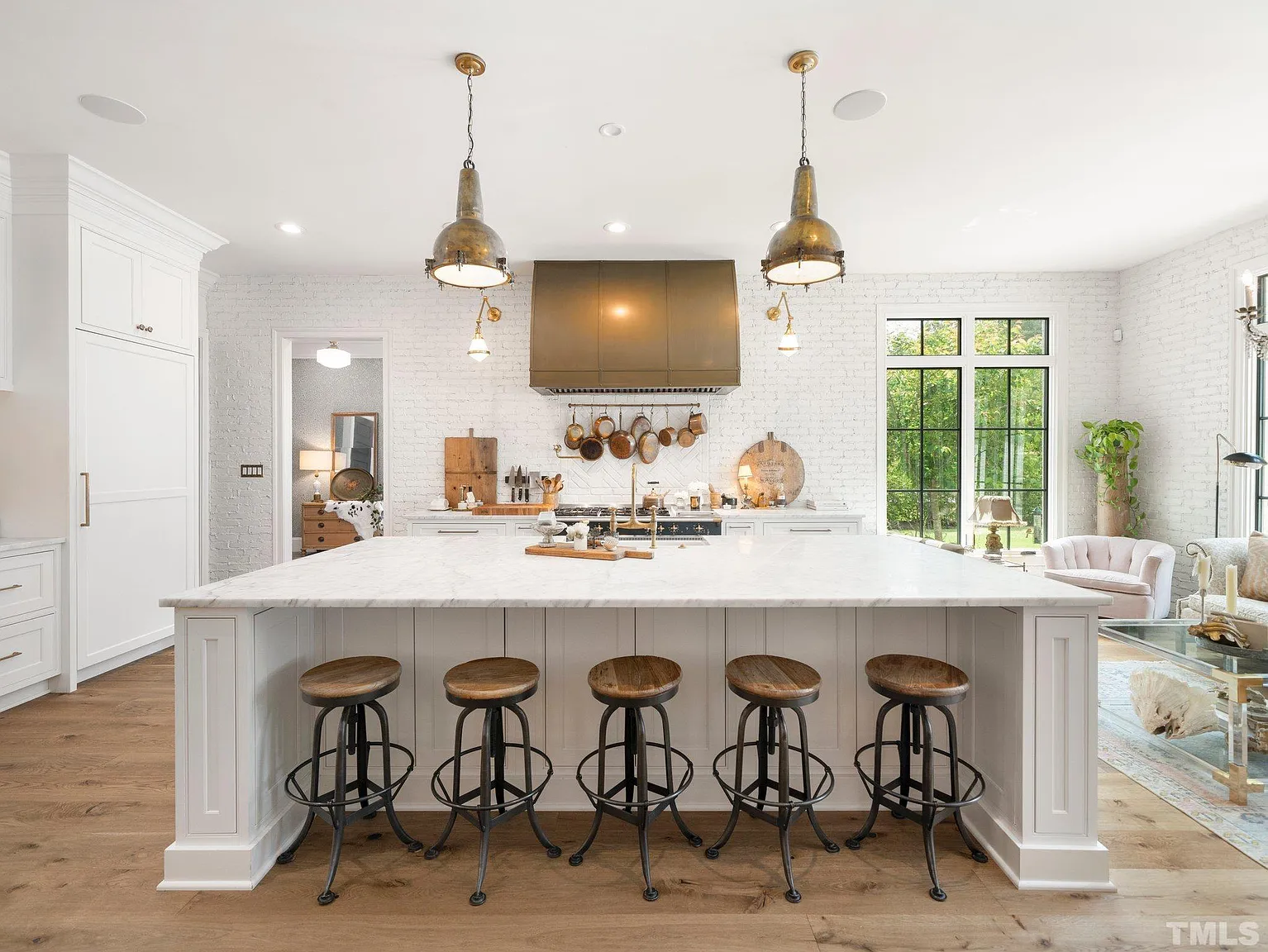
The kitchen is one of the clearest examples because people use kitchens so differently. For one family, it is command central. Homework happens at the island. Friends pull up a stool. Dinner preparation is part of the conversation. The kitchen needs openness, durable surfaces, generous circulation, and storage that keeps everyday necessities within reach.
For another homeowner, cooking itself may be the passion. Appliance placement, counter runs, ventilation, task lighting, prep sinks, refrigeration, and pantry organization become much more significant. And some homeowners entertain frequently enough that they want the visible kitchen to remain relatively composed while much of the work happens behind it.
Those differences should affect the architecture. Choosing a beautiful stone slab is part of creating a luxury kitchen. Understanding why someone stands where they do while preparing dinner is an entirely different level of design.
Custom Home Design Materials Say Something About the People, Too
Personalization does not have to mean unusual. Sometimes it means restraint. One homeowner may gravitate toward white oak, natural stone, warm plaster tones, aged brass, and materials that develop character over time. Another may prefer crisp painted millwork, stronger contrast, expansive glass, and cleaner contemporary detailing. Even within a refined luxury home, those choices create very different environments. Material selection also tells us something about priorities. A family with children, pets, and a constantly active household may want finishes that can handle real life without requiring constant attention. Someone building a quieter home for the next chapter of life may place greater emphasis on texture, craftsmanship, natural materials, and spaces intended to age gracefully with them. Good materials should look beautiful when a home is completed. Great material decisions should still make sense years later.
Designing Outdoor Living & Entertaining Spaces in Raleigh
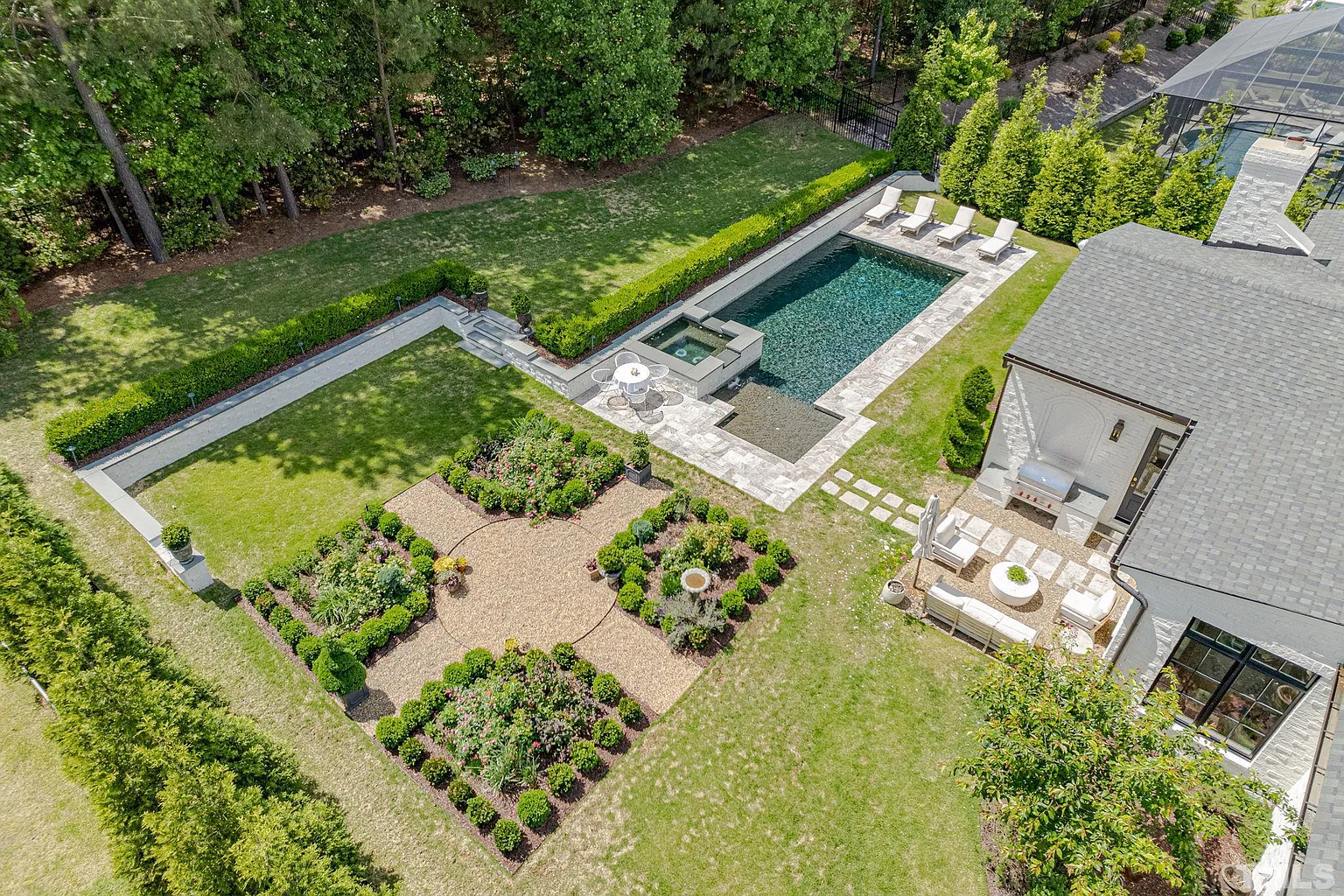
Ask homeowners how they entertain, and the answers are rarely identical. Some picture a dozen people around the kitchen island on a Friday evening. Some want Thanksgiving dinner for twenty. Others imagine two close friends, a fire on the porch, and a good bottle of wine. Those are entirely different design briefs. In the Raleigh and Triangle market, indoor-outdoor living can become an important part of that conversation. A covered porch that is appropriately oriented, properly scaled, protected from the weather, and naturally connected to the kitchen and living spaces can function almost like another room for much of the year.
But even here, the details matter. Does the homeowner want an outdoor kitchen or simply a convenient grilling area? A fireplace or an uninterrupted view? Retractable screens? Space for a dining table, lounge furniture, or both? There is no standard answer because there is no standard family.
Privacy Is Personal
One of the less visible elements of luxury custom home design is the ability to control how private or connected a space feels. A primary suite should not simply be large. Its location relative to gathering spaces, outdoor areas, secondary bedrooms, and the garage can dramatically affect the living experience. The same is true of a home office. Someone who occasionally answers emails from home has very different needs from an executive who spends several hours a day on calls. Acoustics, natural light, built-in storage, background views for video meetings, and separation from active areas of the home suddenly become important design considerations.
Guest accommodations tell their own story. For families whose parents or adult children stay frequently, a private guest suite may deserve considerably more attention than it would in a home where overnight visitors are rare. The architecture should follow the life being lived inside it.
Sometimes the Most Personal Details Are Almost Invisible
Custom homes are often photographed through their most dramatic features: the staircase, the kitchen, the fireplace, the primary bath, the exterior elevation. But homeowners frequently fall in love with much smaller things. It might be the window beside a breakfast table that lets in sunlight every morning.
The cabinet built specifically for something they have owned for years. The doorway positioned so they can see through the house and into the landscape beyond. A bench where grandchildren take off their shoes. A reading corner that was barely noticeable on the plans but becomes someone’s favorite place in the house. These are difficult things to put on a specification sheet, yet they are often what transform a beautifully constructed house into someone’s home.
A Hurst Home Should Never Feel Like Someone Else’s House
There are recognizable principles behind every well-built Hurst home: careful planning, experienced craftsmanship, appropriate materials, thoughtful execution, and attention to details that will matter long after construction is complete. But there should not be a formula for the people who live inside it. A custom home should reveal something about them.
Maybe they love a house full of people. Maybe they prefer quiet rooms and long views. Maybe cooking is central to family life. Maybe the porch matters as much as the living room. Maybe they collect art, work from home, have three dogs, host every holiday, or want a home that makes everyday routines easier.
Those distinctions are not obstacles to good design. They are where good design begins. Because ultimately, a successful custom home is not the one that attracts the most attention when someone walks through the door. It is the one that, over time, feels increasingly difficult to imagine belonging to anyone else.

