
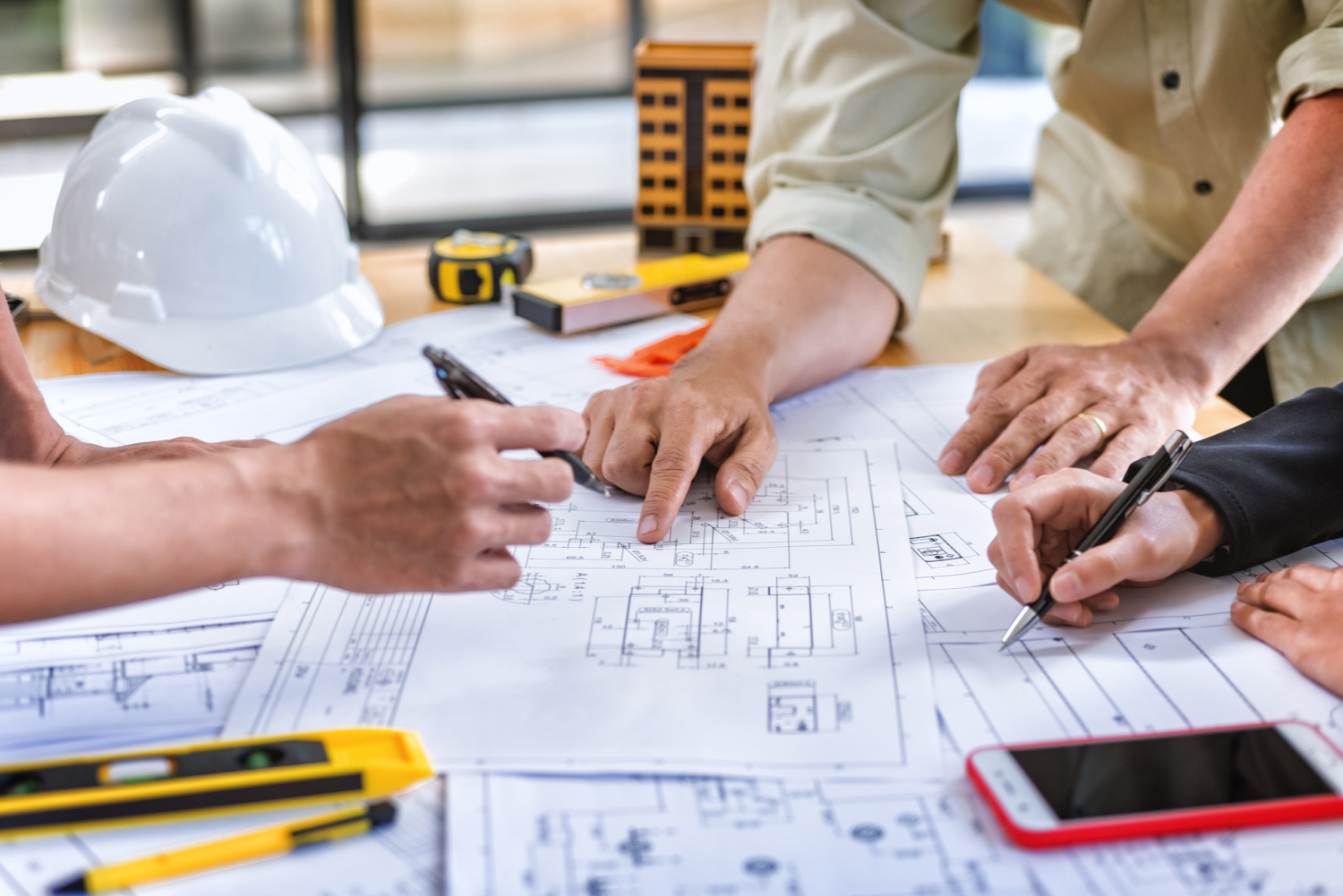
Custom Home Builder Relationship: The Key to a Successful Build
A custom home may begin with a piece of land, a set of drawings, and a collection of ideas, but none of those things build the house on their own. Behind every successful custom home is a strong custom home builder relationship.
For months, and often well over a year, the homeowner and builder are making decisions together. Some are exciting: the way a kitchen will open to the living room, the stone selected for a fireplace, the width of the white oak flooring, or where the windows should sit to take advantage of a particular view.
Others are less visible but just as important. How should the house sit on the lot? What needs to happen when difficult soil is discovered? Is a framing adjustment worth making now to improve a room later? Which material is right for the North Carolina climate rather than simply attractive in a photograph? The quality of those conversations directly affects the quality of the finished home.
Why the Custom Home Builder Relationship Matters
Building a custom home is different from purchasing a completed house. There is no finished product sitting in front of you when the process begins. The homeowner is placing considerable trust in a team to take hundreds of decisions, drawings, materials, measurements, and ideas and turn them into something that will eventually feel like home. That requires a builder who listens closely enough to understand more than a list of requested features.
A client may say they want a large kitchen, for example. The more important conversation is how they actually use it. Do they entertain often? Does everyone gather around the island? Is there a second prep area? Where do groceries enter the house? Do they want the kitchen visually open while keeping some of the work out of sight?
Those answers begin influencing cabinetry, lighting, appliance locations, circulation, storage, electrical planning, and even framing. A good relationship creates room for those conversations before the decisions become expensive to change.
 Trust Is Built Through the Small Things
Trust during construction usually does not come from one grand gesture. It develops through consistency. A question gets answered when it needs to be answered. A concern from the jobsite is brought to the homeowner rather than quietly covered up. The builder explains why a particular detail matters rather than simply saying, “That’s how we do it.”
When there is a choice between two materials, the discussion goes beyond appearance. It may include maintenance, availability, installation requirements, moisture movement, lead times, and how each material is likely to perform over years of use. That level of communication becomes especially important in custom construction because homes are built in real conditions, not in a controlled showroom.
In the Triangle, a house can move through weeks of summer heat and humidity, periods of heavy rain, cold winter mornings, and significant temperature swings during its construction. Moisture management, flashing, drainage, drying time, material storage, and sequencing all matter.
A homeowner should be able to trust that those things are receiving attention, even when they will never be visible once the drywall goes up.
The Builder Should Be Willing to Have Difficult Conversations
A productive builder-client relationship is not one in which everyone agrees all the time. Sometimes the builder’s responsibility is to push back. A detail may look beautiful on paper but create a maintenance issue. A material may not perform well in a particular application. A late design change may affect framing, mechanical systems, cabinetry, scheduling, and several trades downstream.
There are also moments when a homeowner may decide that something is important enough to justify the additional cost or complexity. The builder’s role is not simply to say yes or no. It is to explain the consequences clearly enough so,that then the homeowner can make an informed decision. That is part of respecting the client. A custom home should reflect the people who will live in it, but the builder also has an obligation to protect the construction process and the house’s integrity.
The best projects happen when both sides are comfortable having those conversations.
 Good Communication Protects the Work
A custom home involves many experienced people: architects, designers, engineers, framers, electricians, plumbers, HVAC contractors, cabinetmakers, tile installers, painters, trim carpenters, masons, and others. One decision can touch several of them.
Moving a wall may change the electrical layout. Changing an appliance and cabinetry may require changes to ventilation. Select a thicker stone countertop and the support beneath it may need another look. Adjusting a window height can affect exterior detailing as well as cabinetry or interior trim.
This is why communication during construction cannot simply be a stream of emails and selections. Someone has to understand how the pieces connect. The builder sits at that intersection. Part of our job at Hurst Home Company is helping homeowners understand when a decision needs to be made, what information is relevant to that decision, and what happens next. That guidance helps prevent rushed decisions and provides our trade partners with the information they need to execute their work properly.
It also creates a better experience for the homeowner. Instead of feeling as though they have to manage the construction themselves, they can remain involved in the decisions that matter while knowing the larger process is being coordinated.
The Relationship Changes as the House Takes Shape
Something interesting happens during a custom build. At the beginning, much of the conversation is abstract. We are talking about drawings, dimensions, samples, and ideas. Then the foundation goes in. Walls begin to rise. The first time a homeowner walks through framed rooms, the house becomes real in a completely different way.
That is often when new observations surface. A window may frame the trees better than expected. A hallway may feel different at full scale than it did on the plan. The relationship between the kitchen and outdoor living space becomes easier to understand when you can physically walk from one to the other.
An experienced builder knows how to navigate those moments without allowing the project to become a series of uncontrolled changes. Some adjustments are worth making. Others are better left alone. Knowing the difference requires construction experience, but it also requires knowing the client well enough to understand what genuinely matters to them.
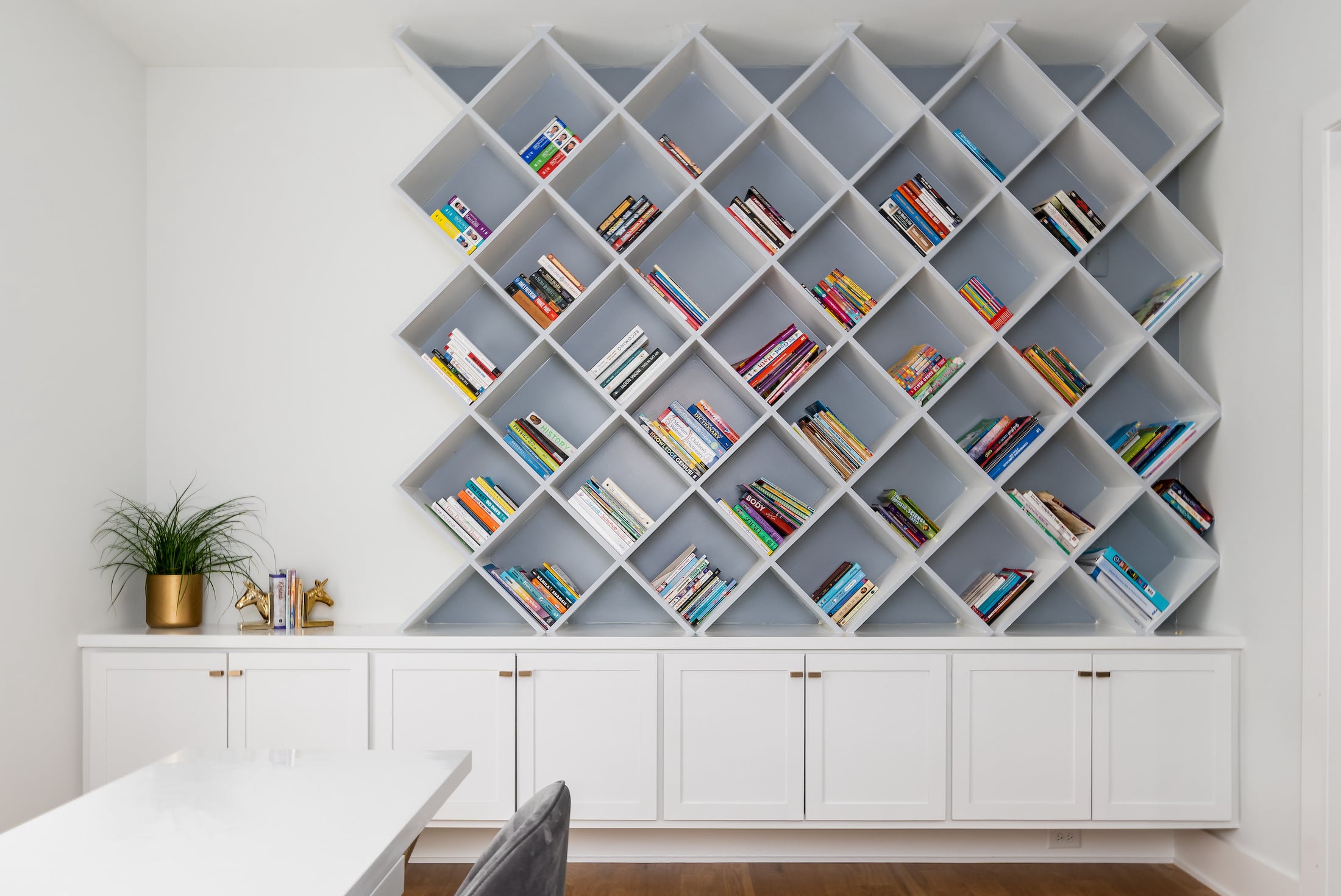 A Successful Home Is Built With the Client, Not Just for Them
There is a balance to a well-run custom project. Homeowners should never feel removed from the creation of their own home. At the same time, they should not feel responsible for solving every construction problem that arises along the way. That is where the relationship with the builder matters most.
We want our clients involved. We want to understand what they notice, what they care about, how they plan to live, and what will make the finished home feel distinctly theirs. Then we bring our experience to those ideas.
Sometimes that means finding the right material or craftsman to accomplish something unusual. Sometimes it means refining a detail so it can be built cleanly. Sometimes it means recommending that more money be spent where it will make a lasting difference—and less where it will not.
Those decisions accumulate. Eventually, they become the home.
Long After Construction, the Relationship Still Matters
A custom home is not successful simply because it photographs beautifully on completion day. It needs to live well. Doors and cabinetry will be used thousands of times. Floors will experience traffic from pets, children, guests, and everyday use. Exterior materials will be exposed to years of North Carolina sun, humidity, rain, and changing seasons. Mechanical systems will need service. Materials will age. A builder who cares about the relationship thinks beyond the final walkthrough.
That mindset influences what gets specified, how assemblies are constructed, which trade partners are trusted with the work, and how details are handled when nobody except the builder would know the difference.
It is also one reason we believe remaining intentionally small matters. Building a limited number of homes allows us to stay close to the work and close to the people we are building for. We can have conversations, walk the job site, understand the decisions being made, and remain personally invested in the outcome.
Because ultimately, custom homebuilding is deeply personal. There are drawings, budgets, schedules, contracts, and construction details, but behind all of them are people working together to create a place where another family will live a significant part of their life. When that relationship is built on communication, trust, experience, and mutual respect, it does more than improve the construction process. It makes a better home.
Schedule a consultation or see our portfolio.

