
What Makes a Strong Homesite for a Custom Home
What makes a strong homesite? A custom home begins long before foundation work, framing, or finishes. It begins with the land. A beautiful house on the wrong homesite can create frustration, added cost, and design compromises that follow the project from the first sketch to the day you move in.
A strong homesite does the opposite. It gives the house a clear place to belong. It supports the architecture, works with the land, and helps every decision that follows feel more natural.
For families planning a custom home, the homesite is one of the most important choices in the entire process. It shapes how the home sits, how it lives, how it captures light, and how smoothly the build can move forward.
It Starts With the Shape and Character of the Land
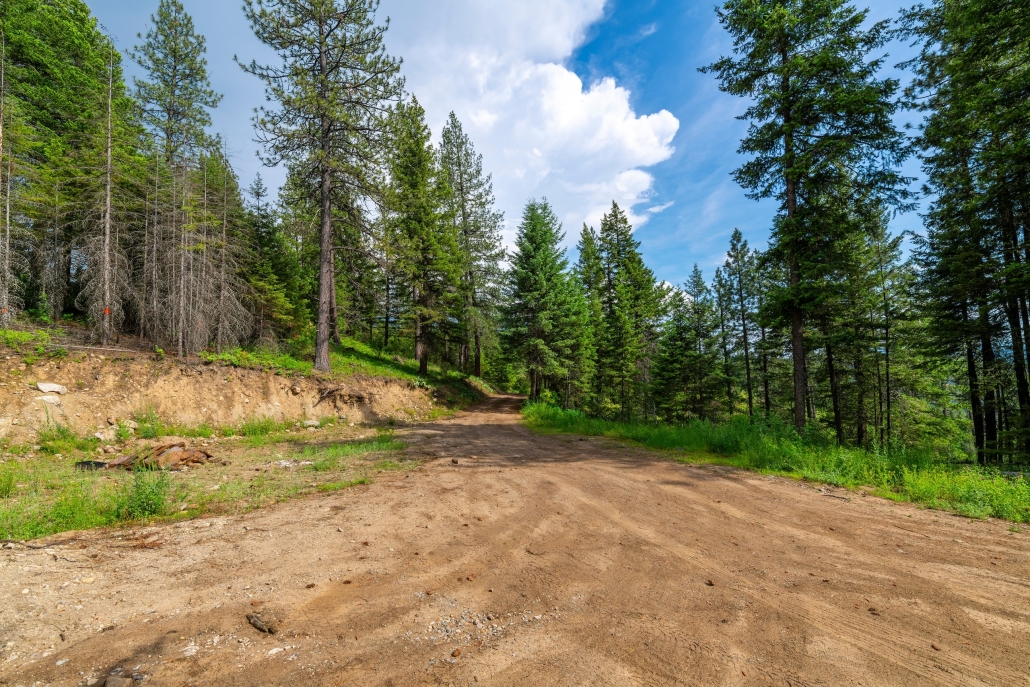
Every homesite has its own personality. Some are wide and open. Some are narrow and tucked into trees. Some carry a long view. Others offer privacy, quiet, and a feeling of retreat.
A strong homesite has enough usable space for the kind of home you want to build. That sounds simple, but it matters in very practical ways. The lot must support the home’s footprint, outdoor living areas, driveway layout, garage access, grading needs, and any plans, such as a pool, guest house, or detached structure.
The best homesites give you room to place the home with intention. They do not force every decision into a tight corner.
Topography Can Help or Hurt a Project
The slope of the lot matters more than many homeowners expect.
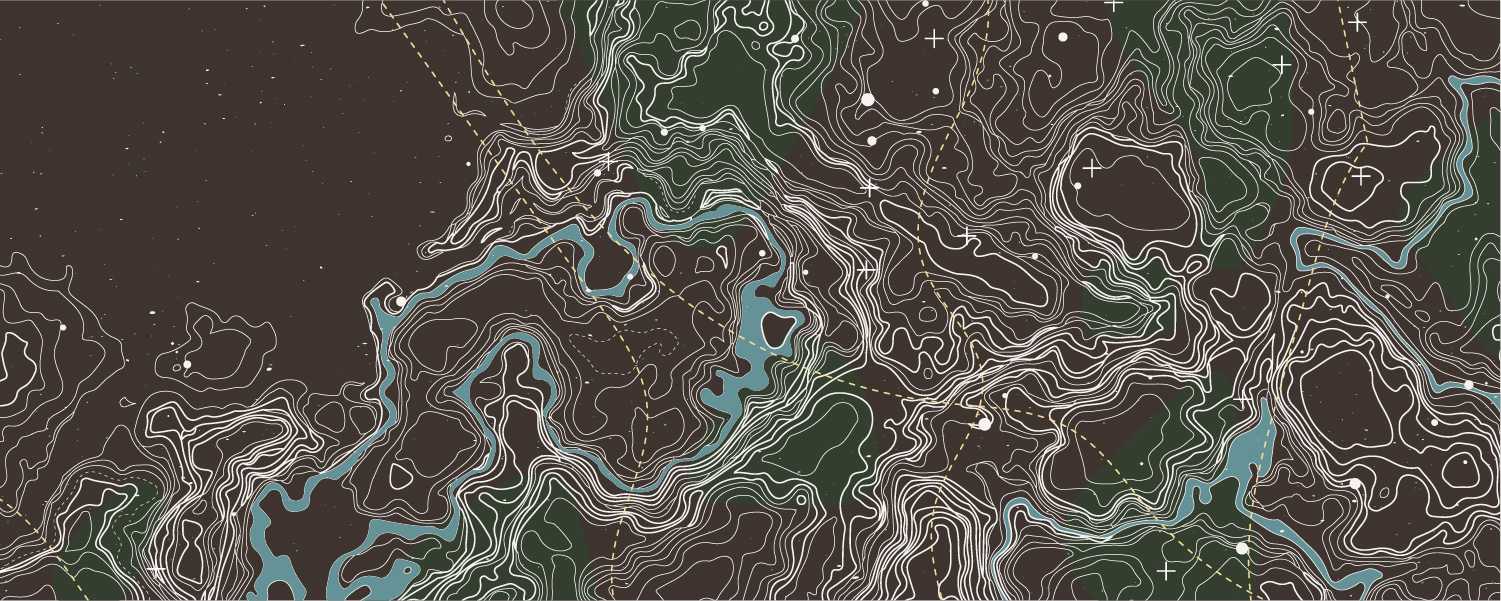
A gentle slope can create opportunity. It may allow for a walkout basement, better drainage, a stronger sense of arrival, or a house that steps naturally into the land. A steeper site can still be beautiful, but it often requires more engineering, more grading, more retaining work, and a more careful approach to foundation design.
Flat lots are often seen as the easiest option, but even flat land needs to be studied. Water movement, drainage patterns, and finished floor elevation still matter. A site that looks simple at first glance can present expensive issues later if stormwater has nowhere to go.
A strong homesite works with the build instead of fighting it.
Drainage Is One of the Biggest Quiet Factors
Drainage is rarely the first thing people fall in love with when they walk a piece of property, but it is one of the first things a builder pays attention to.
Water always wins. If the lot holds water, pushes runoff toward the future house, or creates drainage issues around driveways and hardscape, the project becomes harder from day one.
Good land planning helps protect the home, the foundation, and the property’s long-term performance.
A strong homesite sheds water well, gives space for proper grading, and allows the builder to manage runoff cleanly and responsibly.
Sunlight and Orientation Change How a Home Lives
The direction the home faces has a major effect on comfort, energy performance, and daily experience.
Morning light in the kitchen, softer evening light on a back porch, shaded outdoor spaces in summer, and thoughtful window placement all begin with orientation. On the right homesite, the house can be positioned to make the most of natural light without creating unwanted heat gain.
This becomes even more important in a custom home, where every room is shaped around how a family lives. A strong homesite gives the design team options. It allows the home to open toward the best light, views, and outdoor spaces.
Access Matters Early
A homesite can be beautiful and still present major challenges if access is poor.
Driveway placement, road frontage, sight lines for entering and exiting, delivery access during construction, and the ability to bring equipment onto the site all matter. If the site is difficult to reach or has awkward access points, the build can become more expensive and less efficient.
This is also where everyday livability comes into play. The arrival at home should feel easy and natural. Garage entry, guest parking, and the relationship between the drive and the front of the house all deserve attention.
A strong homesite supports both construction logistics and daily living.
Utilities Can Shift the Budget Quickly
Before purchasing a lot, it is wise to understand which utilities are available and what it will take to bring service to the home.
Water, sewer, electric, gas, and internet access all contribute to the project’s total cost if a site requires a well, septic system, long utility runs, or additional infrastructure work, which needs to be accounted for early.
This does not make the homesite wrong. It simply means the land and the budget need to match. Some of the most beautiful homesites require extra site work, and that can be well worth it when it is understood up front.
A strong homesite is one where the hidden costs are identified early, not discovered halfway through the build.
Soil Conditions and Septic Viability Need Real Attention
The land beneath the house matters as much as the land you can see.
Soil conditions affect foundation strategy, drainage, and site preparation costs. On homesites without public sewer, septic suitability is especially important. Perc testing, reserve field requirements, and local regulations can all affect what can be built and where it can be placed.
This is one reason a thoughtful custom builder brings practical experience to site evaluation. A lot may look ideal from the road and still carry limitations that affect the plan.
A strong homesite has been studied, not simply admired.
Trees, Views, and Privacy Should Be Considered Together
Many homeowners begin with one emotional draw to a property. It might be mature hardwoods, a long view, a quiet setting, or the feeling of being set back from the road.
Those qualities matter. They often become part of what makes the future home special. Still, they need to be balanced with practical concerns. Tree preservation, clearing costs, root zones, sight lines, privacy from neighboring homes, and the placement of outdoor living spaces all deserve careful thought.
The strongest homesites offer a combination of beauty and function. They give the home something to respond to. A line of trees. A natural rise in the land. A distant view. A private rear yard. These are the things that help a custom home feel settled and deeply connected to place.
Restrictions and Setbacks Can Shape the Design
Not every lot allows the same freedom.
Setbacks, easements, HOA requirements, architectural guidelines, impervious surface limits, and local zoning rules can all affect what can be built. On some lots, these are minor details. On others, they become central to the design.
A strong homesite is one where the legal and regulatory framework supports the kind of home you want to build. That is why early due diligence matters. It protects the homeowner from buying land that looks promising but limits the vision in costly ways.
The Right Homesite Fits the House You Want to Build
One of the clearest signs of a strong homesite is alignment.
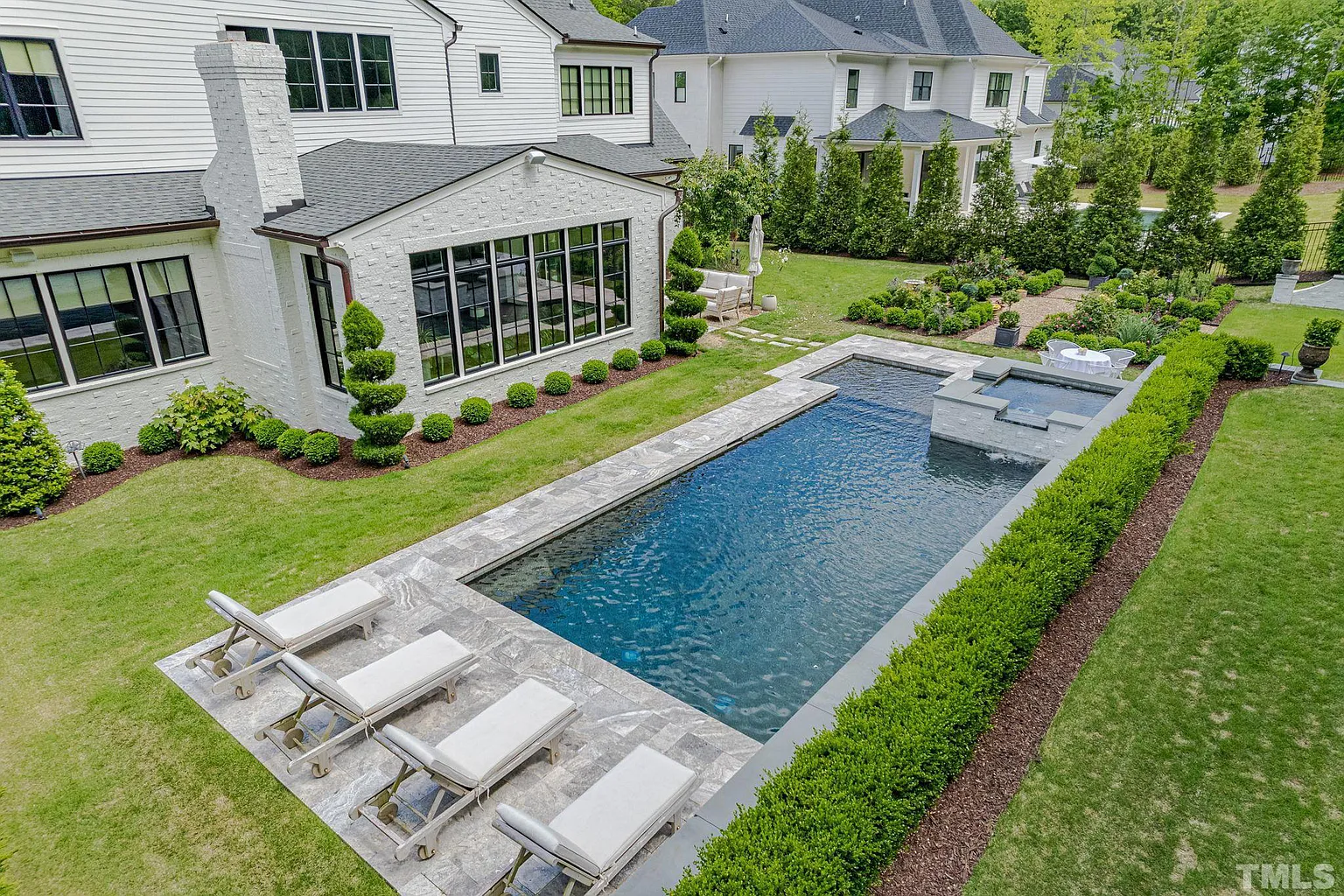
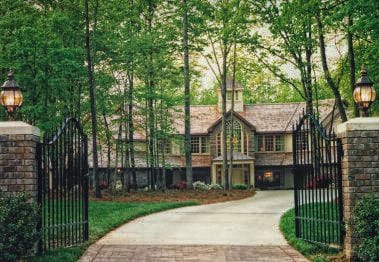
The land should fit the scale, style, and priorities of the home you want. A heavily wooded lot may be perfect for a quiet transitional house with a strong indoor-outdoor connection. A broader estate lot may suit a larger home with a long drive, formal arrival, and expansive rear living spaces.
An infill homesite in an established neighborhood may call for a more tailored response that respects the surrounding homes while still carrying a distinct point of view.
Good custom home planning is about fit. When the land and the house belong together, the entire project feels stronger.
A Strong Homesite Brings Clarity to the Whole Process
The best custom homes are grounded in sound decisions early on. Choosing the right homesite is one of the biggest of them.
A strong homesite supports design, protects budget, improves buildability, and gives the finished home a sense of place that cannot be manufactured later. It makes the process clearer for both the homeowner and the builder.
At Hurst Home Company, that early evaluation matters. Before plans move too far, the land deserves a close look. The right homesite creates better options, better flow, and a better home in the end.
If you are planning a custom home and weighing land options, the smartest place to begin is with a clear, honest look at the homesite itself.

