
Designing a Custom Home Around the Way You Live
Designing Around the Way You Live — Designing a custom home around the way you live is about more than choosing the architecture, finishes, fixtures, and materials you prefer. It is about creating a home that responds specifically to the way you live. That distinction matters. A beautiful home can make a remarkable first impression. But a truly successful custom home continues to prove itself long after the initial impression has passed. It works on an ordinary Tuesday morning. It accommodates a house full of family during the holidays. It gives you room to entertain without making everyday living feel oversized. It provides privacy when you want it, connection when you need it, and a sense that the spaces around you were considered rather than assembled. At Hurst Home Company, we believe thoughtful custom home design begins by understanding the people who will live there.
A Custom Home Should Begin With Your Life, Not a Floor Plan
It is easy to begin a homebuilding conversation with square footage, bedrooms, architectural style, and a collection of inspirational photographs. Those things are useful, but they do not tell the entire story. Before deciding exactly what a home should look like, it is worth understanding how it should work. Where does your family naturally gather at the end of the day? Do you entertain frequently or prefer smaller, more intimate gatherings? Do you work from home? Do guests stay for weekends or extended visits? Is the kitchen primarily a place to prepare meals, or is it the center of the house? Do you want your primary suite connected closely to the rest of the home or intentionally removed from it? Those questions begin revealing something a standard floor plan cannot: the pattern of your life.
The best custom homes are designed around those patterns.
Good Design Starts With Better Questions
Custom home design is as much about listening as it is about drawing. A homeowner may initially say they want a large kitchen, for example. But the more important question is why. Perhaps they regularly host extended family and need multiple people to work comfortably in the kitchen at once. Perhaps they enjoy cooking and want professional-level prep space. Maybe they want a discreet secondary pantry where catering, appliances, and cleanup can happen away from guests. Or perhaps what they really want is not a larger kitchen at all, but a stronger connection between the kitchen, outdoor living areas, and the spaces where people naturally congregate. Understanding the purpose behind a request leads to better design decisions. Custom design should never feel like choosing from a predetermined list of rooms. Every decision affects another, and every space should contribute to the larger experience of living in the home.
Designing a Custom Home for the Rhythm of Everyday Life
Some of the most important areas in a custom home are not necessarily the most dramatic. Consider what happens when you arrive home. Where do groceries enter the house? Where do coats, shoes, bags, and packages go? If you have children or pets, what happens after an afternoon outside in the rain? Where does the everyday clutter of life disappear before reaching the main living spaces? A thoughtfully designed arrival sequence might connect the garage to a mudroom, pantry, kitchen, laundry area, or drop zone to make daily routines easier. These relationships may never become the house’s feature photograph, but they can influence how well the home functions every single day. This is where careful planning becomes invaluable. Luxury is not always about adding more. Sometimes it is the simple pleasure of having everything exactly where it should be.
Creating Spaces for Gathering, and for Getting Away
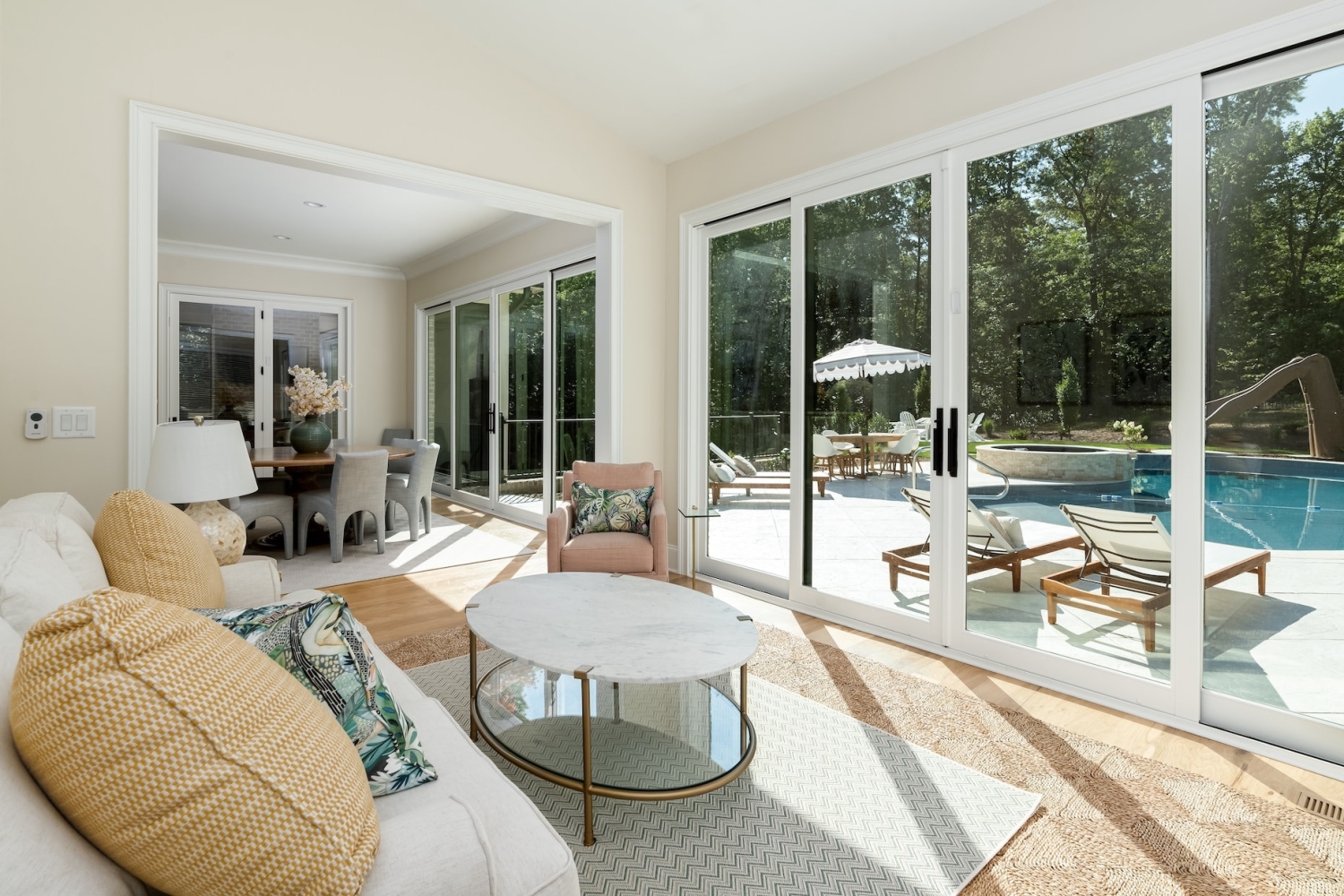
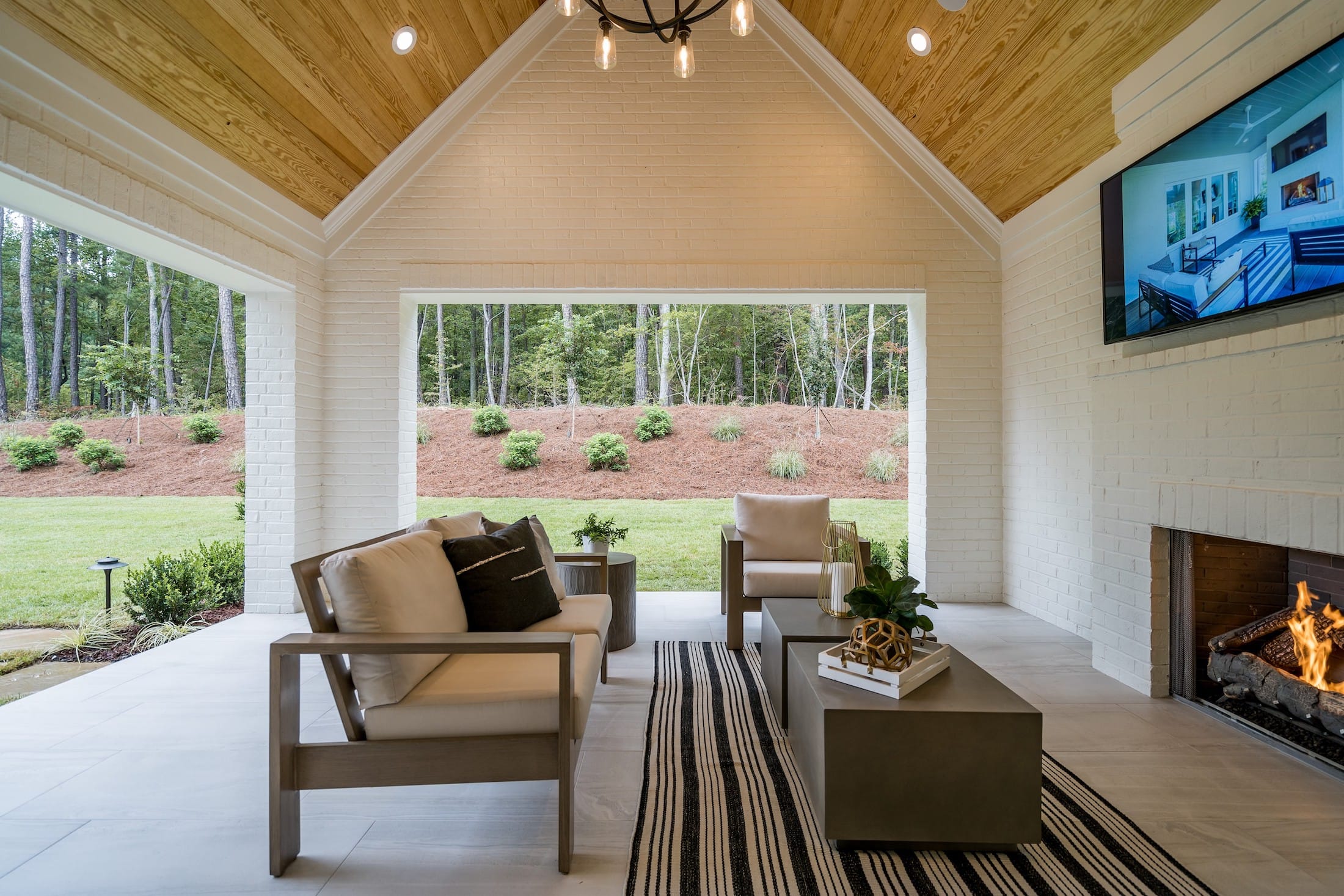
Open living remains important to many homeowners because it creates connection. In Raleigh and throughout the Triangle, kitchens, great rooms, dining spaces, and outdoor living areas can work together beautifully when entertaining or spending time as a family. But good design also recognizes that people occasionally need separation. A reading room, library, study, secondary sitting area, covered porch, or private home office can provide moments of retreat without isolating someone entirely from the household. The goal is not to make every room large or every space open. It is to establish the right relationships between spaces. That might mean allowing a formal dining room to feel distinct while maintaining a visual connection to the rest of the home. It might mean positioning a home office away from the busiest areas of the house. It could mean creating a guest suite that feels genuinely private or designing outdoor living areas that become natural extensions of the interior.
A well-designed home gives people choices about how they experience it.
Designing for the Life You Have Now and the One Ahead
A custom home build represents a significant investment, and it should serve more than the immediate moment.
Families change. Children grow. Parents visit. Careers evolve. Entertaining habits shift. The way a homeowner uses a house ten years from now may be different from the way they use it today.
Thoughtful planning allows a home to adapt gracefully.
A main-level guest suite might eventually serve another purpose. An office can be designed with enough flexibility to become a bedroom if needed. Wider passages, accessible showers, appropriate doorway dimensions, and carefully considered transitions can make a home easier to live in over time without making it feel institutional or compromised.
Even technology should be approached with longevity in mind. Infrastructure for lighting, security, networking, entertainment, energy management, and future systems can often be planned early, allowing the home to evolve without unnecessary disruption later.
The objective is not to predict every possible future need. It is to create a home with enough intelligence and flexibility to accommodate change.
The Details That Make a Home Feel Effortless
Some of the most successful design decisions are the ones homeowners eventually stop noticing.
Natural light arrives where it is wanted at the right time of day. Storage appears where it is needed. Doors do not interrupt furniture arrangements. Views are framed intentionally. Mechanical systems provide comfort without becoming visually intrusive. Kitchens function efficiently even when several people are using them. Outdoor spaces feel connected rather than added afterward.
When these decisions are made well, the finished home feels right.
That sense of effortlessness requires considerable thought behind the scenes.
Architecture, interior design, construction, building performance, landscape relationships, cabinetry, lighting, mechanical systems, and material selections all influence one another. The earlier those conversations happen, the greater the opportunity to resolve them as part of one coherent design rather than a collection of individual decisions.
A Hurst Home Is Designed Around You
There is no universal definition of the perfect custom home because there is no universal way to live.
For one homeowner, luxury may mean a kitchen designed for large gatherings and Sunday dinners. For another, it may be a quiet primary suite overlooking a private landscape. Someone else may value an exceptional home office, a substantial outdoor living space, dedicated areas for children and grandchildren, or simply a home where every room feels comfortable and purposeful.
That individuality is what makes custom homebuilding meaningful.
At Hurst Home Company, our work is not about imposing a particular formula on every project. It is about understanding what matters to our clients and translating those priorities into a home with enduring architecture, thoughtful functionality, exceptional craftsmanship, and attention to detail that influences everyday life. Because the most successful custom home is not simply one that photographs beautifully. It feels as though it could only have been designed for the people who live there.
Explore the Hurst experience or start a conversation about the home you have in mind.

