
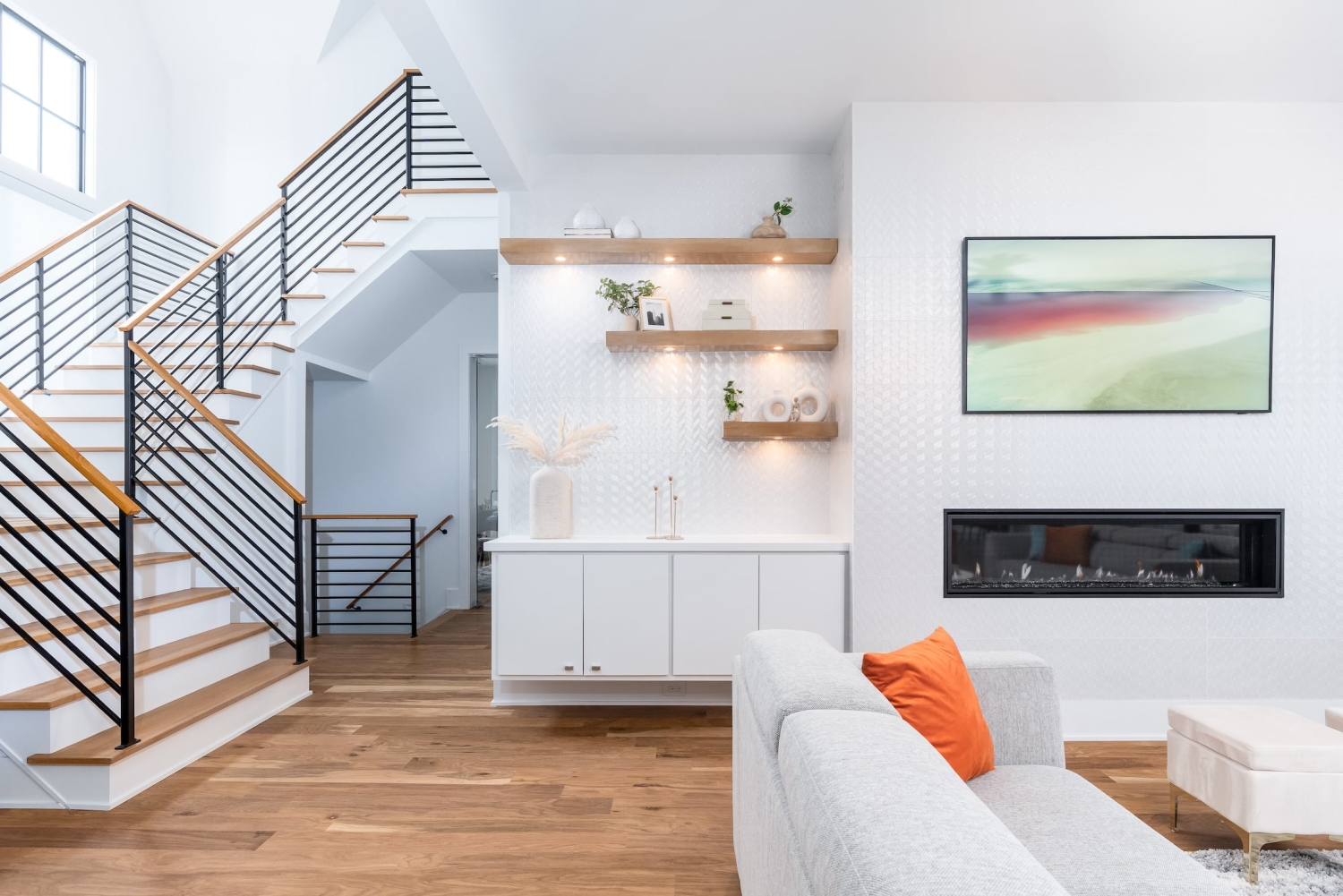
A Custom Home That Performs as Well as It Looks
Building a high-performance custom home. A beautiful home can make an immediate impression. The architecture catches your attention. Natural light fills the rooms. Materials feel substantial. Details are carefully considered, and every space seems to belong exactly where it is. But some of the most important qualities of a truly exceptional custom home are things you may never see. They are experienced. It is the even temperature across rooms. The quiet inside the house when the weather turns rough outside. The absence of drafts near large windows. The comfortable humidity level. The mechanical systems that quietly do their jobs without constantly demanding attention. It is the way the home feels on a hot summer afternoon and on a cold winter morning. At Hurst Home Company, we believe a luxury custom home should perform every bit as well as it looks. Because beauty may create the first impression, but performance shapes the experience of living there every day.
Luxury Should Be More Than a Finish Package
Luxury is often associated with what can be seen: custom cabinetry, beautiful flooring, dramatic lighting, natural stone, expansive glass, and carefully selected fixtures. Those things matter. They help establish the personality and character of a home. But luxury should extend far beyond finishes. Behind the walls, beneath the roof, around the windows, and throughout the mechanical systems is another level of craftsmanship that can dramatically affect how a home feels and performs.
A house with remarkable finishes but inconsistent temperatures, excessive energy consumption, uncomfortable rooms, or poorly planned systems may photograph beautifully. Still, it does not deliver the complete experience a custom homeowner should expect.
True luxury is when design and performance become inseparable.
Planning a High-Performance Custom Home
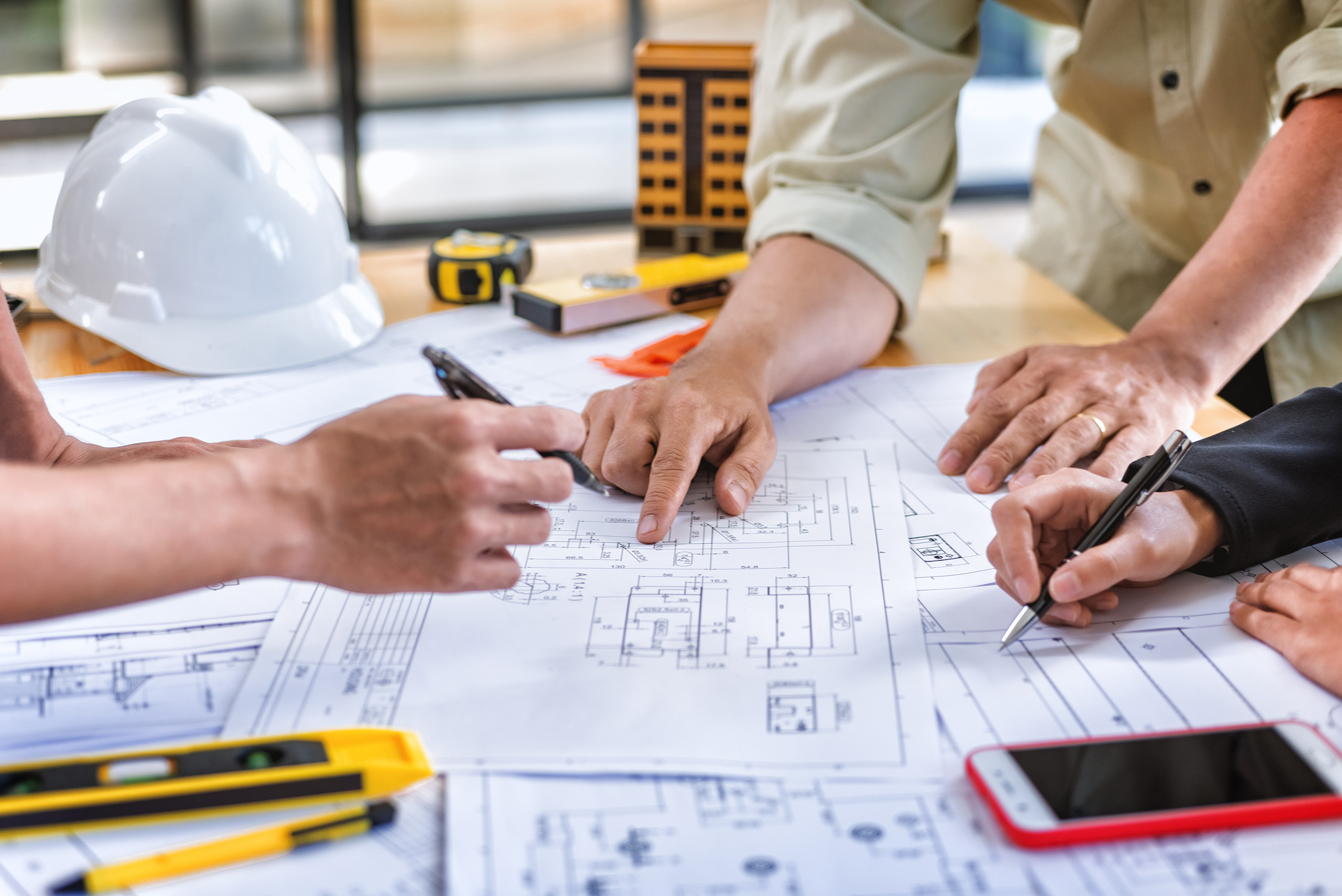
Performance is difficult to add as an afterthought. The most successful homes consider comfort, efficiency, durability, and building systems from the beginning of the design and construction process. That means looking beyond individual products and considering how the entire house works together. The orientation of the home can influence natural light and solar heat gain. Window placement affects both architecture and energy performance. Insulation and air sealing influence comfort. Mechanical equipment should be properly selected and integrated into the design. Rooflines, drainage systems, and exterior materials all contribute to long-term durability.
Each decision affects another. That is why thoughtful planning is such an important part of building a luxury custom home. Rather than treating architecture, construction, mechanical systems, and interior design as unrelated components, we view the home as a complete system.

Comfort Is One of the Most Important Measures of Quality
Homeowners may not talk about building science every day, but they immediately recognize when a home feels comfortable. Comfort is remarkably personal, yet many of the factors that create it are technical. Temperature consistency matters. Humidity control matters. Air movement matters. Indoor air quality matters. Acoustics matter.
Even the location of windows, doors, supply registers, and return-air pathways can influence how comfortable a room feels. A well-designed high-performance custom home works quietly in the background to create a more consistent indoor environment. You should not have to think constantly about adjusting thermostats or avoiding certain rooms during particular seasons. Ideally, comfort becomes part of the architecture. That is one of the differences between a house that merely looks impressive and a home that has been carefully engineered around the people who live there.
The Building Envelope Matters More Than Most People Realize
One of the most important components of home performance is also one of the least visible once construction is complete: the building envelope. The walls, roof assemblies, windows, doors, insulation, air barriers, and weather-management systems form the protective shell around the home’s conditioned spaces. When those elements work together properly, they help manage heat, air, and moisture.
That translates into greater comfort, improved efficiency, and potentially greater durability over the life of the home. Careful detailing during construction matters tremendously because seemingly small gaps or poorly executed transitions can influence the performance of an otherwise sophisticated home. High-quality construction is often defined by what happens in those details. They may eventually disappear behind drywall, siding, roofing, and finishes, but their influence remains for decades.
Energy Efficiency Should Support the Architecture
Energy-efficient design does not require sacrificing beautiful architecture. In fact, the best custom homes allow the two to strengthen one another. Large windows can still frame extraordinary views. Open floor plans can remain expansive. Dramatic ceiling heights and sophisticated architectural forms can remain central to the design.
The difference is that these decisions are considered alongside the home’s performance goals. High-quality windows and doors, thoughtful glazing locations, effective insulation strategies, efficient mechanical systems, proper air sealing, and intelligent controls can all help reduce unnecessary energy consumption without compromising the architectural vision. The objective is not simply to use less energy. It is to create a home that uses resources intelligently while providing an exceptional living environment.
Mechanical Systems Should Be Designed for the Home
Heating and cooling equipment should never be treated as something to be selected only near the end of construction. Mechanical systems play an enormous role in comfort and performance. Homes with large glass areas, open spaces, multiple floors, vaulted ceilings, or specialized rooms can have very different heating and cooling requirements throughout the structure.
Proper system design considers those variations. Equipment sizing, zoning, duct design, ventilation, humidity management, and control strategies should work together rather than operate in isolation. Bigger equipment is not necessarily better equipment. The goal is a well-designed system that responds appropriately to the home’s actual demands. When that happens, homeowners experience the benefit rather than the mechanics. The house feels right.
Quality Construction Protects Long-Term Value
Performance is not only about what happens during the first year of ownership. It is also about how the home ages. Thoughtful water management, durable materials, proper flashing, carefully constructed exterior assemblies, appropriate ventilation, and disciplined construction practices can all influence the long-term condition of a home. These are not always glamorous decisions. They rarely appear in finished photographs. But they are among the most important investments made during construction. A custom home represents a significant commitment, and the quality beneath the surface should support that investment for years to come. Long-term value is created when beautiful design is backed by equally thoughtful construction.
Technology Works Best When It Becomes Almost Invisible
Modern homes can incorporate extraordinary technology. Lighting controls, climate systems, security, automated shades, energy monitoring, appliances, entertainment systems, and whole-home controls can create tremendous convenience. But technology should simplify living rather than complicate it. The best systems operate intuitively and support the way homeowners actually use their spaces. That philosophy applies throughout the home. Good design does not constantly announce itself. Good performance does not either. When architecture, construction, and technology are properly integrated, homeowners experience the benefits without having to think about the systems producing them.
Beautiful Homes Should Also Be Easy to Live In
Performance extends beyond energy consumption and mechanical systems. A home also needs to perform for the people living inside it. That means considering how spaces connect, where everyday items are stored, how people move through the house, where natural light enters, how entertaining spaces function, and how private areas are separated from more active portions of the home. It means thinking about mornings before anyone leaves the house and evenings when everyone returns. It means considering holidays, guests, working from home, outdoor living, storage, pets, hobbies, and a family’s changing needs over time. The best custom homes are not designed only around square footage. They are designed around life.
Performance and Beauty Should Never Be Competing Goals
There was a time when homeowners were often asked to choose between architectural ambition and energy efficiency, or between luxury and practicality. We do not believe those choices need to exist. Beautiful architecture can be efficient. High-performance construction can be luxurious. Durability can complement sophisticated design. Technology can simplify a home rather than dominate it. And thoughtful planning can create spaces that are both visually impressive and extraordinarily comfortable. The most successful homes achieve all of those objectives together.

Building Beyond What You Can See
Some of the craftsmanship in a Hurst Home will always be visible. You can see it in the architecture, millwork, cabinetry, flooring, stone, lighting, and carefully executed details. But another layer of craftsmanship exists behind those surfaces. It is found in planning. In coordination. In construction details. In systems that have been carefully considered before they are covered. Those elements may never attract the attention of a guest walking through the front door, but they can have an enormous influence on the homeowner’s experience for decades.
At Hurst Home Company, we believe that is what building a truly exceptional luxury custom home requires. Because the ultimate measure of a home is not simply how beautiful it appears when construction is complete. It is how comfortably it lives. How intelligently it operates. How well it endures. And how successfully all of those things come together.
A remarkable home should not merely look extraordinary. It should perform extraordinarily, too.
